
 icdinteriorbd@gmail.com
 Sat – Fri: 9:00 – 7:00
 +8801799797944
Residence Interior Design
The Ultimate Guide to Residence Interior Design: How to Turn a House into Your Dream Home
There is a profound difference between a house and a home. A house is simply a structure of bricks, concrete, and steel. A home, however, is an extension of who you are. It is where you unwind after a chaotic day, where you celebrate milestones, and where your children grow.
If you have ever looked at a beautifully styled room in a magazine and thought, I wish my place looked like that, but it just doesn’t feel practical for real life, you are not alone.
Residence interior design is not just about picking out expensive furniture or choosing the trendiest paint colors. It is an art and a science. It is about balancing aesthetics with functionality, making sure that your space not only looks breathtaking but also works perfectly for your daily routine.
In this comprehensive guide, we will walk through everything you need to know about designing a residential space. No overly complex jargon, no robotic checklists just real, actionable design wisdom from layout planning to the final styling touches.
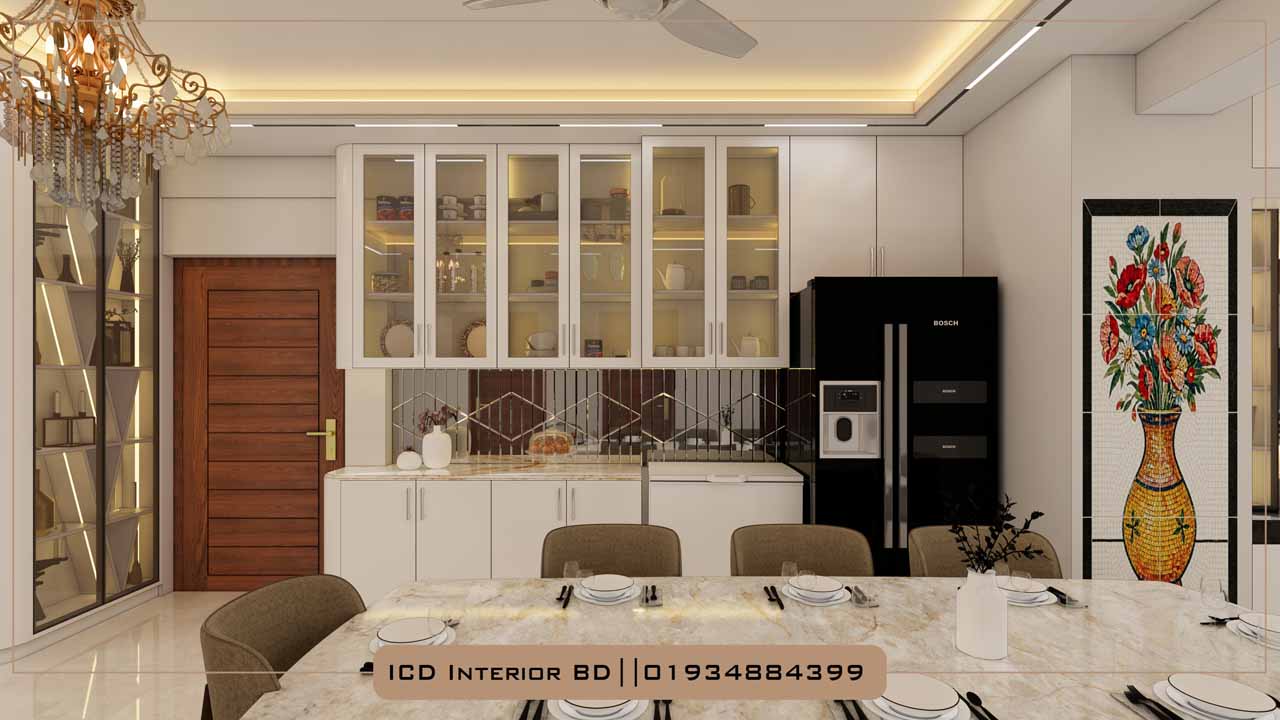
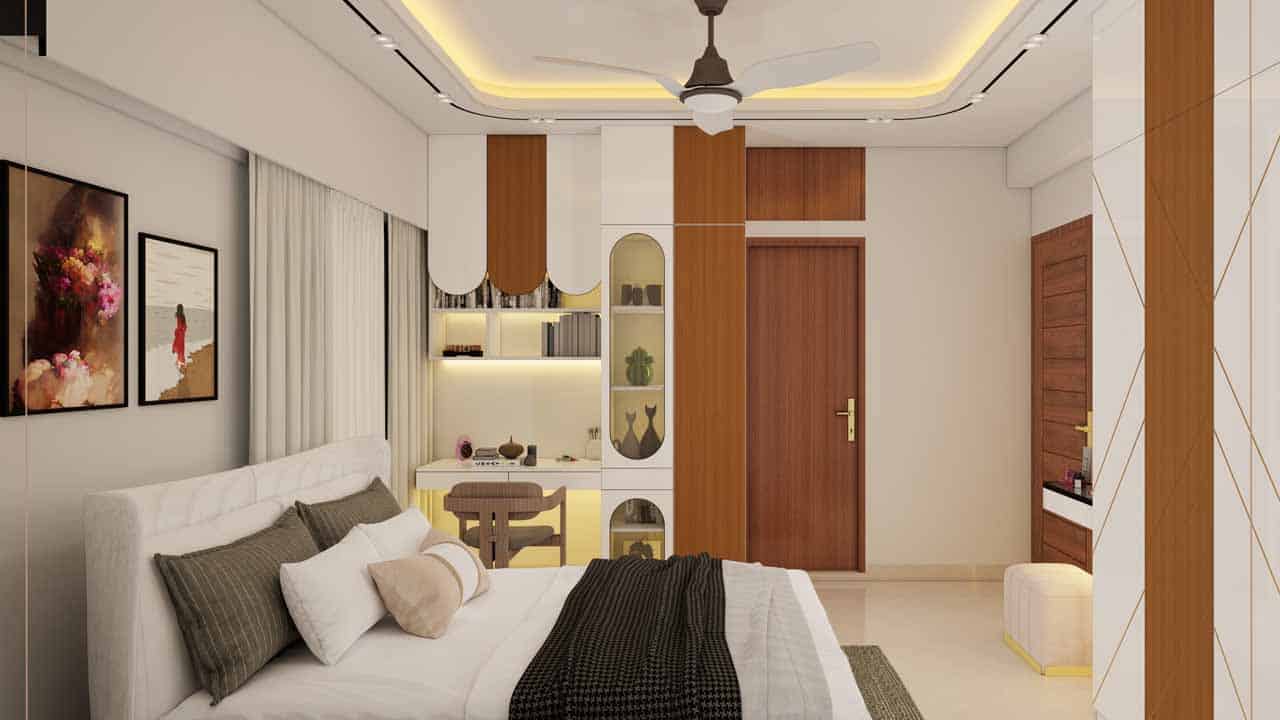
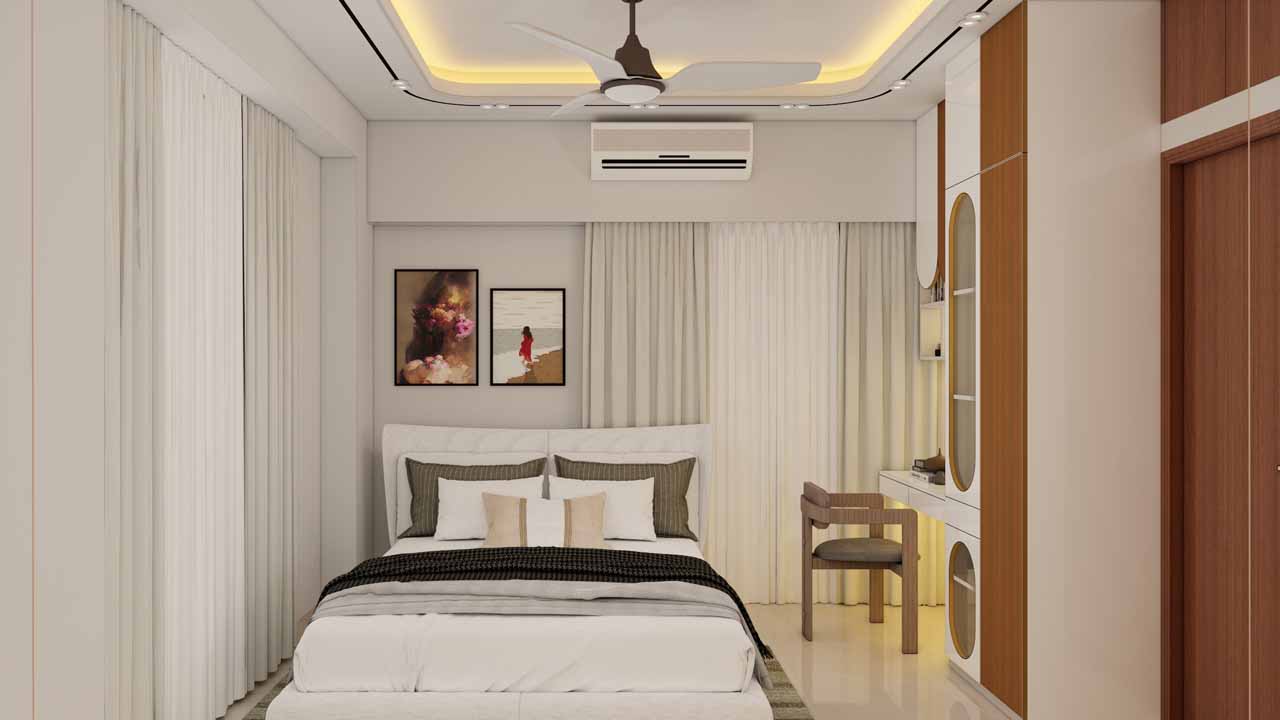
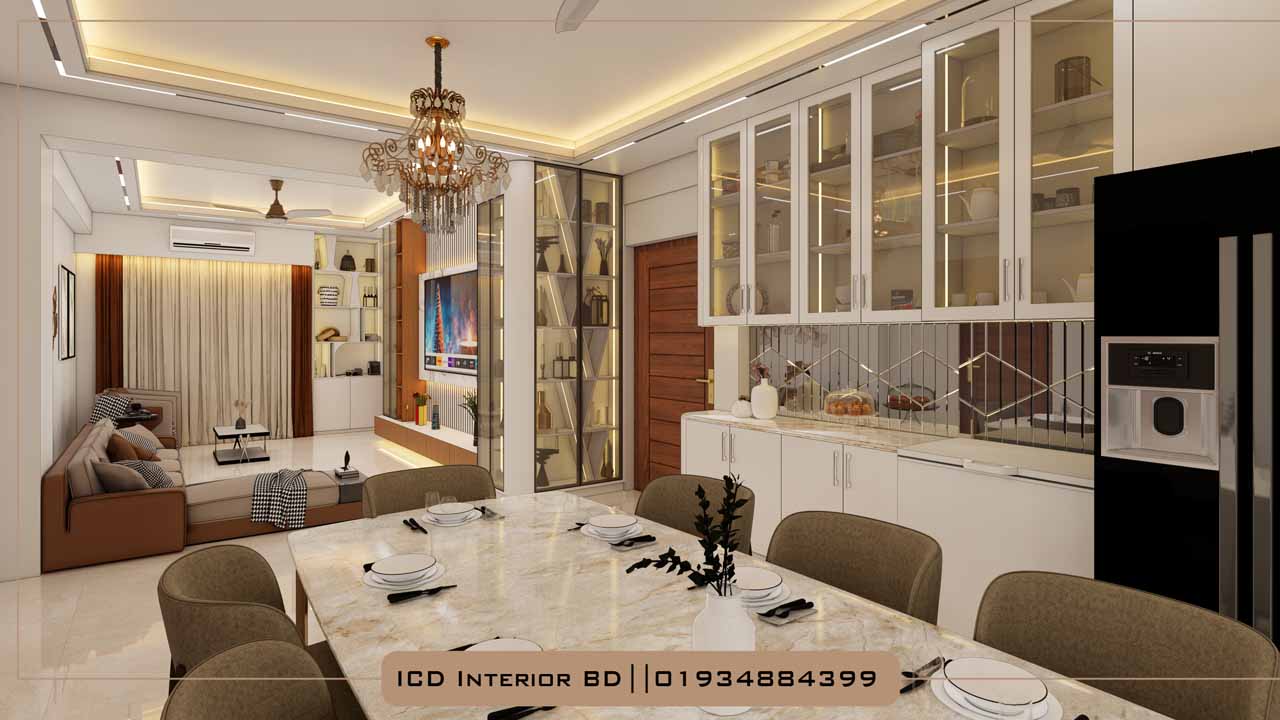
Understanding the Core Principles of Residential Design
Before you buy a single piece of decor or pick up a paintbrush, you need to understand the invisible rules that make a room “feel right.” Have you ever walked into a room and felt instantly relaxed, even if you couldn’t pinpoint why? Or conversely, walked into a space that felt awkward and claustrophobic?
That feeling comes down to the core principles of interior design.
The Power of Balance and Scale
Balance is all about visual weight. If you put all your heavy, dark furniture on one side of a living room and leave the other side empty, the room will feel like it’s tilting.
Symmetrical Balance: This is highly traditional. Imagine a fireplace with matching armchairs on either side and identical lamp. It creates a formal, orderly feeling.
Asymmetrical Balance: This feels much more modern and alive. You might balance a large, heavy sofa with two smaller, lightweight chairs on the opposite side. The visual weight is equal, but it doesn’t look like a mirror image.
Scale and proportion are equally crucial. A massive, deep-set sectional sofa will swallow a tiny apartment living room whole. Conversely, a dainty, minimalist coffee table will look lost in a grand, high ceilinged duplex. Always measure your space and then measure it again before buying.
Functionality Always Comes First
A gorgeous kitchen is completely useless if you can’t easily reach the trash can from the sink, or if the refrigerator door blocks the walkway when opened.
When planning any residence interior design project, start by asking yourself how you actually use the room.
Do your kids do their homework at the dining table?
Do you host large family gatherings?
Do you need a quiet corner for remote work?
Design the layout around your lifestyle, not an idealized version of it.
Choosing Your Signature Interior Design Style
One of the biggest mistakes homeowners make is trying to mix too many design trends at once, resulting in a confusing, cluttered look. Defining your style gives you a roadmap for every decision you’ll make.
Here are some of the most loved residential design styles adapted for modern living:
Modern and Minimalist
Minimalism is not about living in a sterile white box with zero personality. It is about intentionality. The mantra here is “less is more.”
Key Features: Clean lines, hidden storage, a neutral color palette, and high-quality materials.
Why it works: It reduces visual clutter, which actively helps calm the mind after a busy day.
Contemporary Elegance
Unlike modern design contemporary design means what is happening right now. Today’s contemporary style is warm, inviting, and sophisticated.
Key Features: A mix of soft curves and sharp lines, rich textures and subtle luxury elements like brushed brass or matte black fixtures.
Industrial Chic
Inspired by old factories and urban lofts, industrial design embraces raw, exposed materials.
Key Features: Exposed brick walls, concrete floors, wooden beams, and metal accents. It is a fantastic style for open-plan apartments or edgy urban residences.
Transitional Style
If you love the warmth of traditional design but want the clean look of modern spaces, transitional style is your sweet spot. It bridges the gap between old and new.
Key Features: Classic furniture shapes paired with updated, neutral fabrics; a mix of antique decor items and contemporary art.
The Psychology of Color: Crafting Your Palette
Color is arguably the most powerful tool in an interior designer’s toolkit. It has the ability to change your mood, make a small room feel grand, or make a vast space feel cozy.
Navigating Neutrals
Neutrals are the foundation of modern home interiors. But don’t mistake neutral for boring.
Warm Neutrals: Beiges, creams, and warm taupes create an inviting, earthy atmosphere. They work beautifully in living rooms and bedrooms where comfort is key.
Cool Neutrals: Pure whites, crisp greys, and charcoal offer a sleek, clean backdrop that lets your furniture and artwork take center stage.
The 60-30-10 Rule
If you are worried about how to balance colors without making the space look chaotic, use this classic designer formula:
60% Dominant Color: This is usually your wall color, large area rugs, or major built-in cabinetry.
30% Secondary Color: This provides contrast. Think furniture upholstery, curtains, or an accent wall.
10% Accent Color: This is your pop of fun! Use it in throw pillows, artwork, vases, and small decor items. This is easy to change whenever you want a fresh look.
Space Planning: Step-by-Step for Key Rooms
Let’s dive into the practical side of things. How do we take these ideas and apply them to the actual rooms in your residence?
The Living Room: The Heart of the Home
The living room is a multi-functional hub. It needs to handle movie nights, entertaining guests, and quiet reading afternoons.
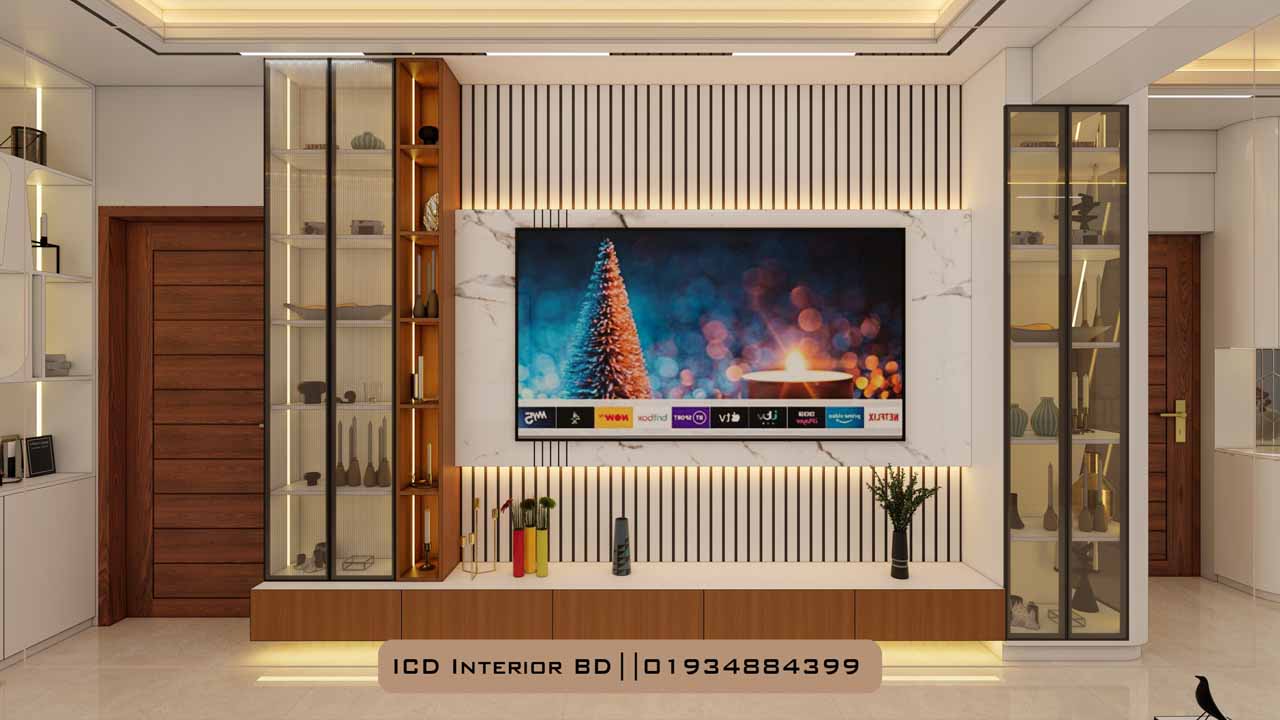
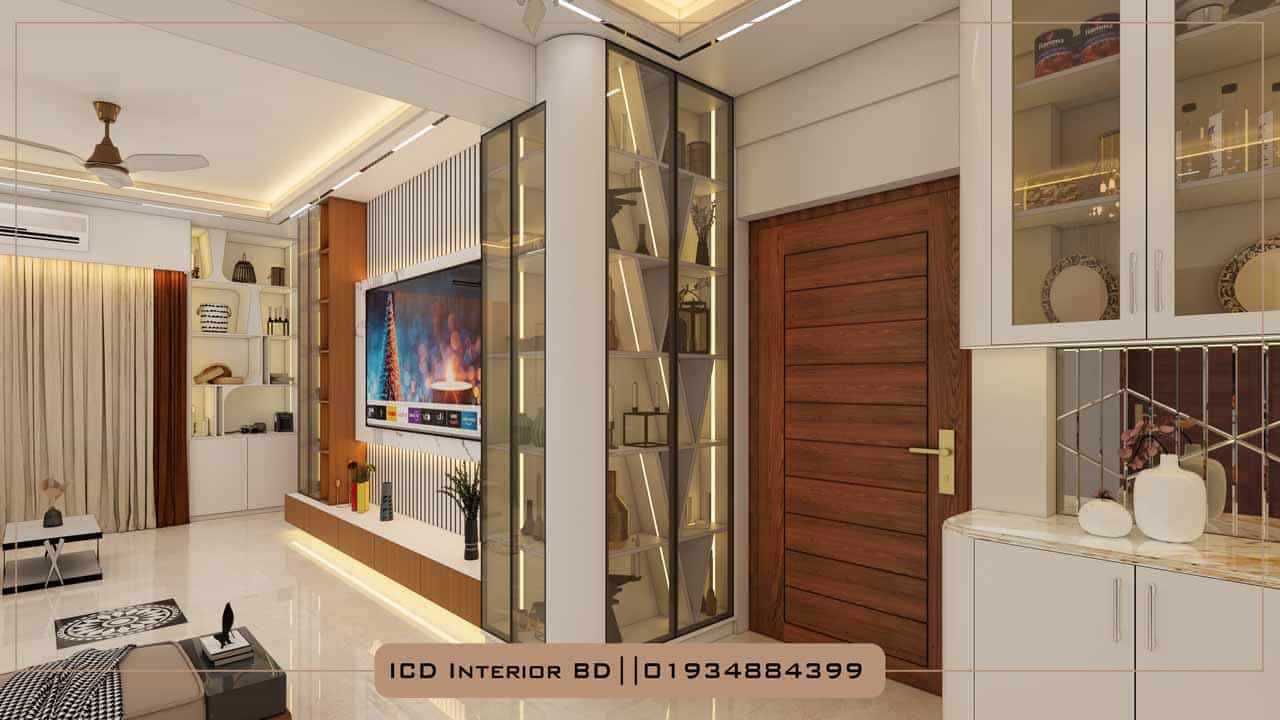
The Focal Point: Every living room needs one. It could be a television unit, a fireplace, a large window with a view, or a stunning gallery wall. Arrange your seating to compliment this focal point.
Traffic Flow: Ensure there is a clear, unobstructed path to walk through the room. Leave at least 2 to 3 feet of walking space between furniture pieces.
The Rug Rule: A tiny rug makes a room look cheap and fragmented. Your living room rug should be large enough so that at least the front legs of all your major seating furniture sit on top of it.
The Master Bedroom: Your Private Sanctuary
Your bedroom should feel like a boutique hotel room a place entirely dedicated to rest and rejuvenation.
The Bed Placement: Ideally, position your bed against the main wall facing the doorway, but not directly in line with it. This creates a psychological feeling of security.
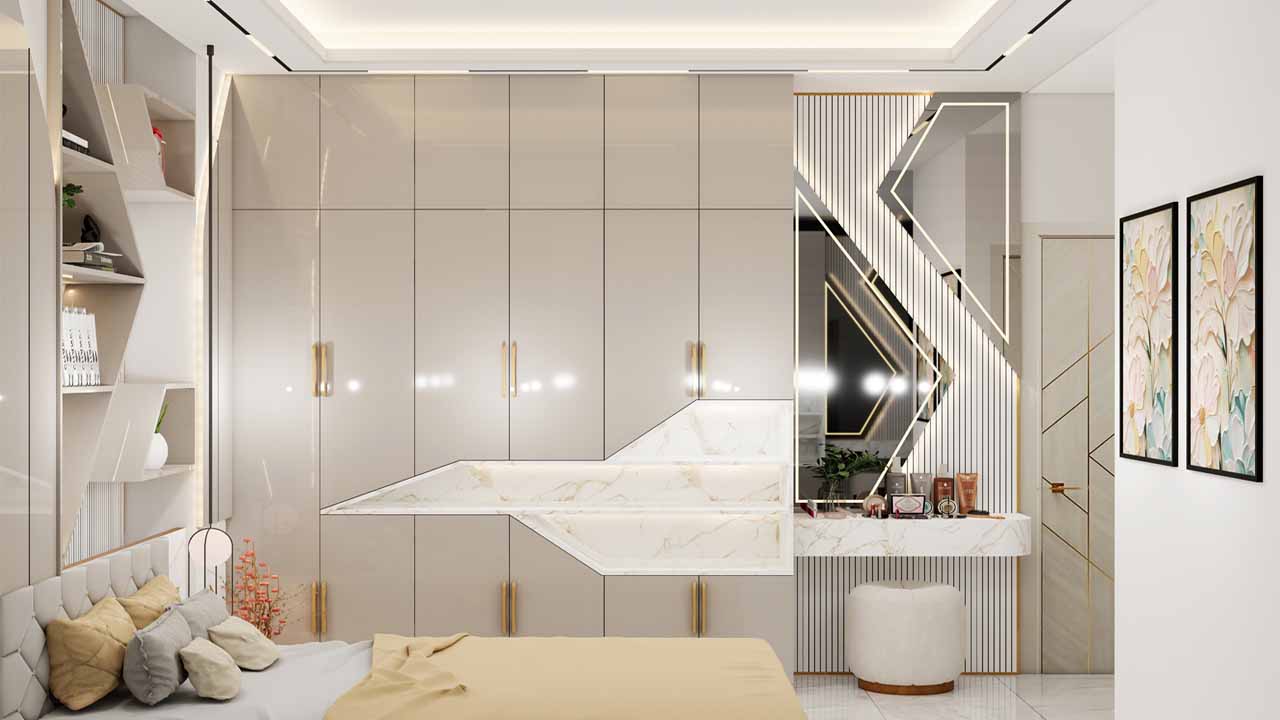
Clutter Control: Visual clutter equals mental clutter. Invest in smart storage solutions like wardrobes with internal organizers, under-bed storage, or customized HPL panel accent walls that conceal hidden storage.
Textures over Patterns: To keep a bedroom peaceful, rely on rich textures (like a quilted bedspread, a plush rug, or a soft fabric headboard) rather than loud, busy geometric patterns.
The Kitchen: Maximizing Efficiency
Whether you have a massive open-concept kitchen or a compact cooking space, efficiency is non-negotiable.
The Work Triangle: This is the golden rule of kitchen layout. Your sink, refrigerator, and stove should form a triangle. The distance between these three elements shouldn’t be too far (causing unnecessary walking) or too close (feeling cramped).
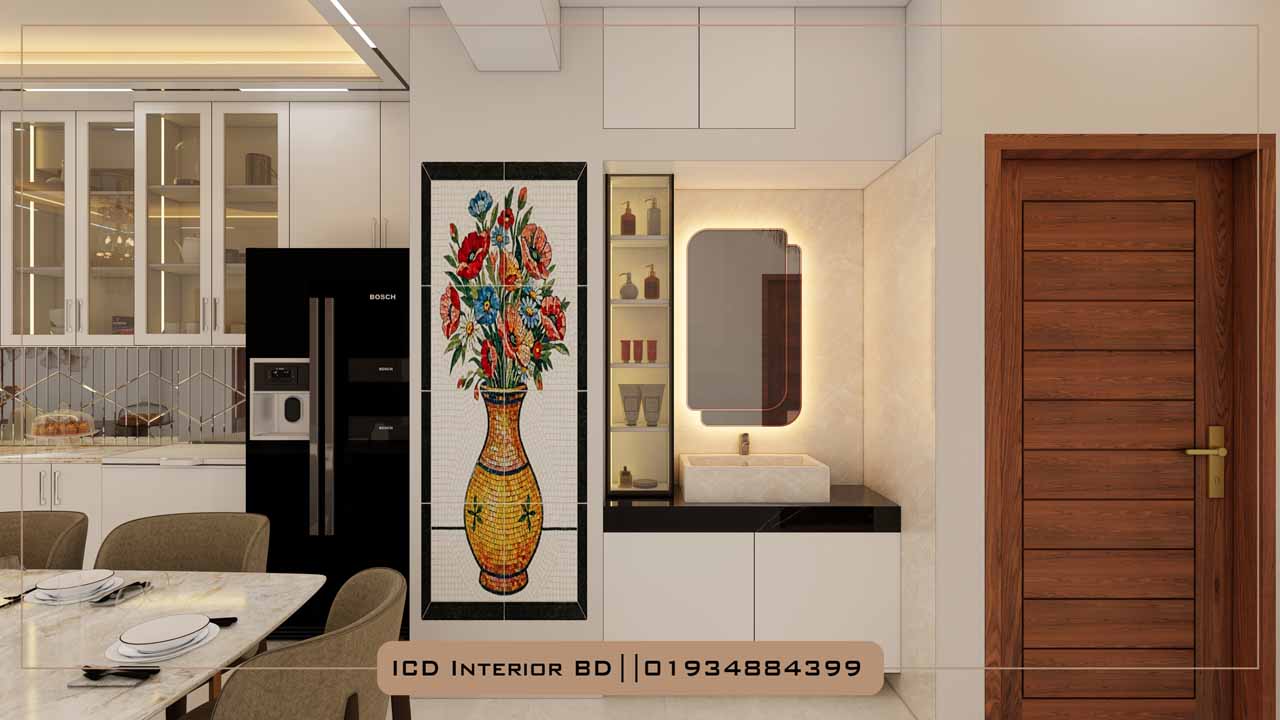
Cabinetry Material: For long lasting durability, look into high-quality materials. High-Pressure Laminates (HPL) and seamless acrylic finishes are incredibly popular because they resist moisture, scratch easily, and are effortless to wipe clean.
Lighting Design: The Secret to Atmosphere
You can spend a fortune on gorgeous furniture, but if your lighting is bad, your home will still look flat and uninspiring. A single, harsh fluorescent light bulb in the center of the ceiling is the ultimate vibe-killer.
To get that professional designer look, you need to layer your lighting. There are three essential layers:
- Ambient Lighting (General Light)
This is the base layer of light that illuminates the entire room. Think recessed ceiling lights, downlights, or a central chandelier. It should be soft and evenly distributed.
- Task Lighting (Functional Light)
This light helps you perform specific tasks. Examples include:
Under-cabinet LED strips in the kitchen to see your cutting board clearly.
A sleek reading lamp next to your favorite armchair.
Bright, even vanity lights around your bathroom mirror so there are no awkward shadows on your face.
- Accent Lighting (Drama & Mood)
This layer is pure art. It draws attention to specific architectural features, artwork, or design elements. For example, using warm LED strip lights hidden behind a charcoal wall panel creates a beautiful, glowing shadow effect that instantly elevates a living room’s luxury factor.
Pro Tip: Always choose warm white bulbs (2700K to 3000K) for residential spaces. Cool white or blue light can make a home feel cold, clinical, and uninviting.
Materials, Textures, and Wall Coverings
What gives a luxury home its depth? It’s the intentional mixing of different materials and textures. When everything in a room is smooth and matte, the eye gets bored.
Adding Depth with Wall Panels
Plain painted walls are fine, but accent walls introduce architectural interest. Modern materials have made this incredibly easy and affordable:
Charcoal Panels: These textured panels add incredible depth, especially in TV lounges or behind bed headboards. They play with light beautifully and offer a touch of contemporary luxury.
HPL (High-Pressure Lamination): Perfect for high-traffic areas or spaces prone to wear and tear. They come in gorgeous wood grains, marble finishes, and metallic textures, giving you the look of premium materials without the intense maintenance.
Soft Furnishings and Fabrics
Don’t be afraid to mix your fabrics. Pair a sleek leather sofa with a textured woven linen throw blanket and velvet accent pillows. If your flooring is a smooth, reflective porcelain tile, contrast it with a thick, high-pile wool area rug. This contrast creates a tactile experience that makes people want to sit down and get comfortable.