
 icdinteriorbd@gmail.com
 Sat – Fri: 9:00 – 7:00
 +8801799797944
Kitchen Cabinet Design
Kitchen Cabinet Design in Bangladesh
What is the Kitchen Cabinet Design?
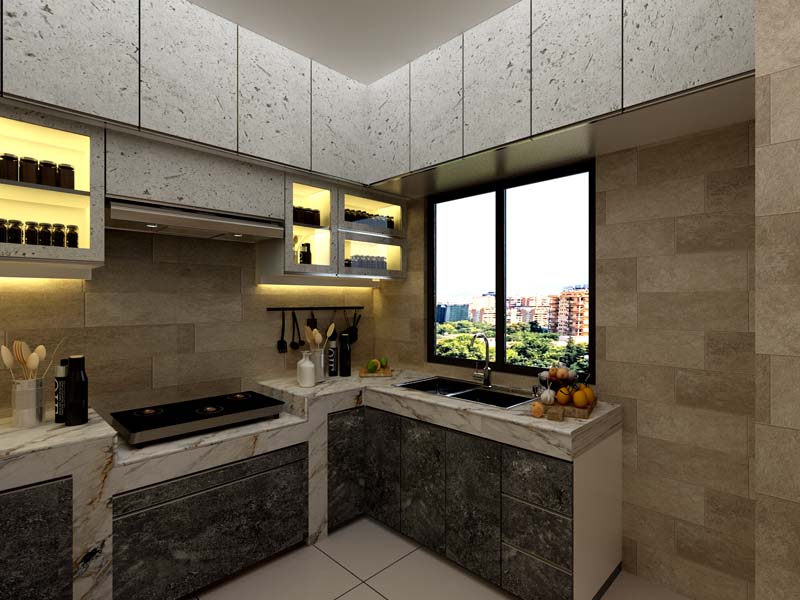
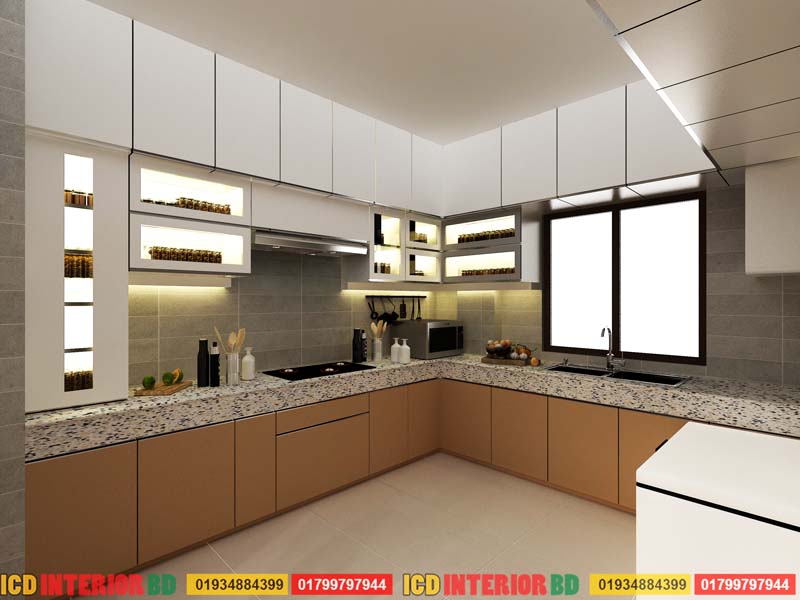
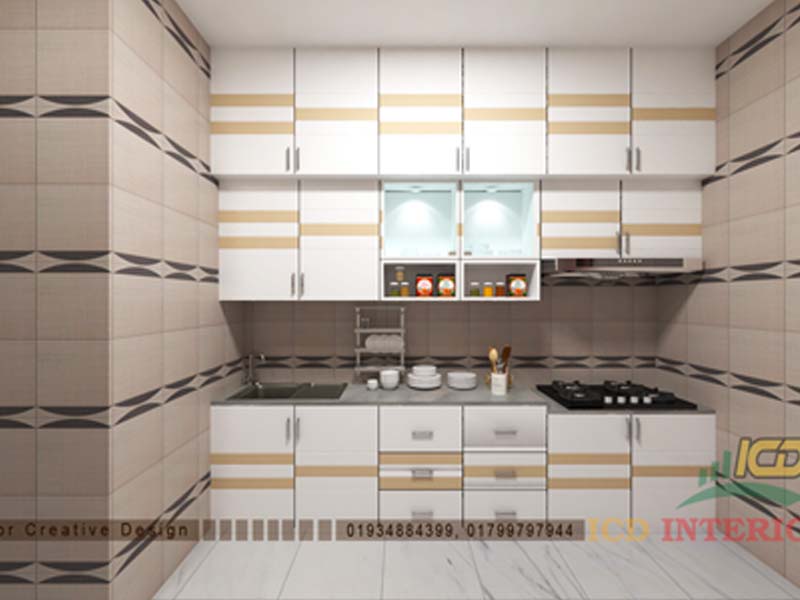
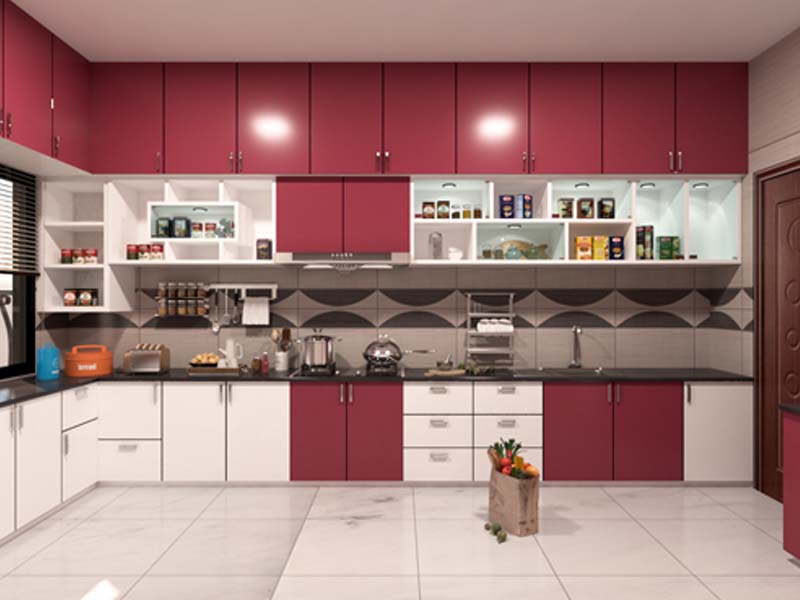
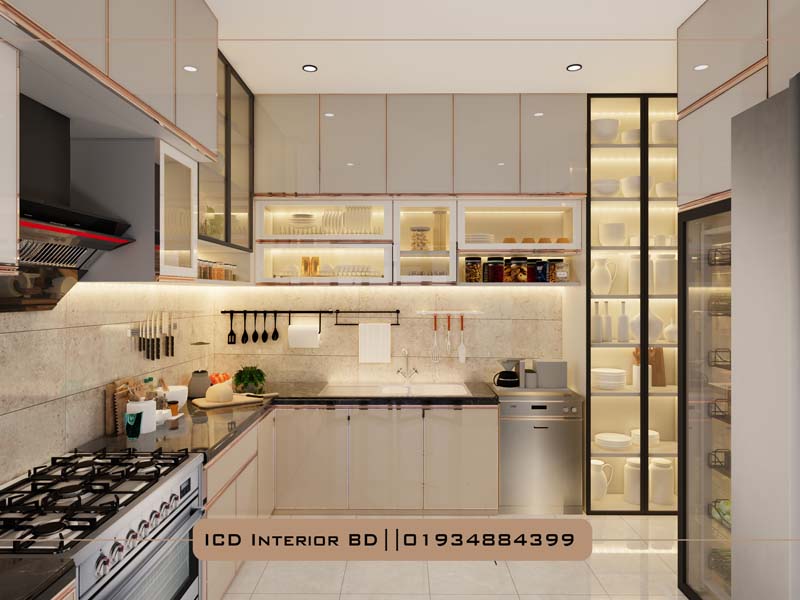
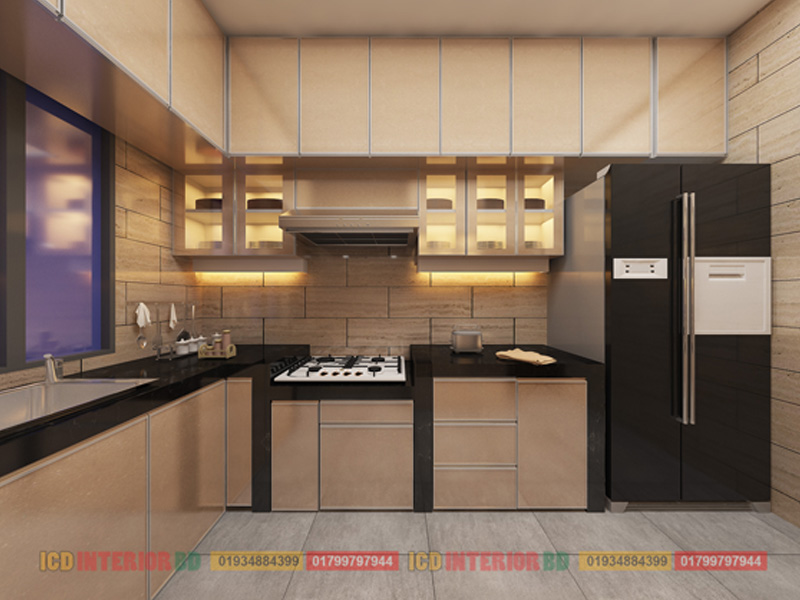
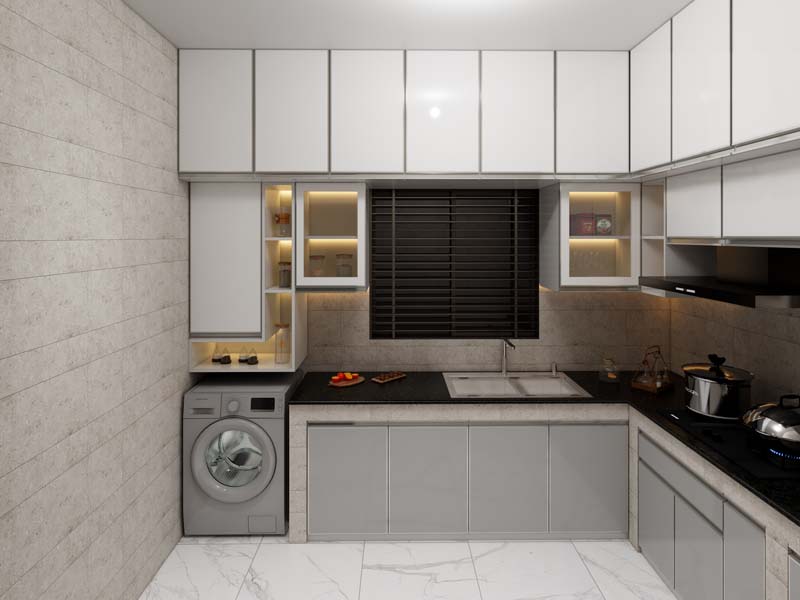
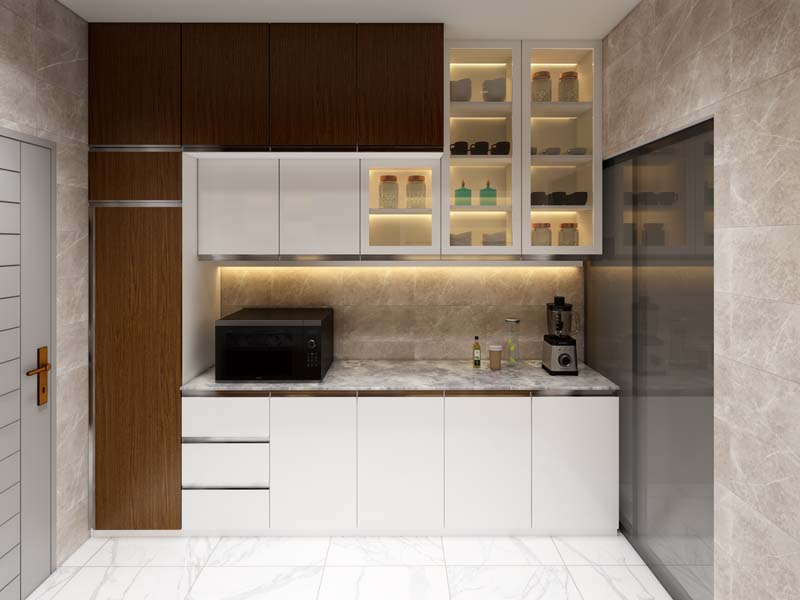
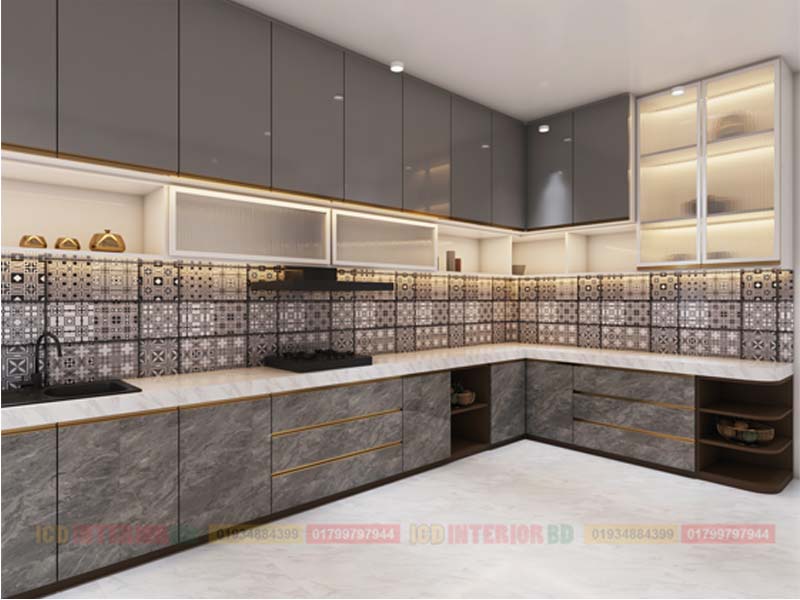
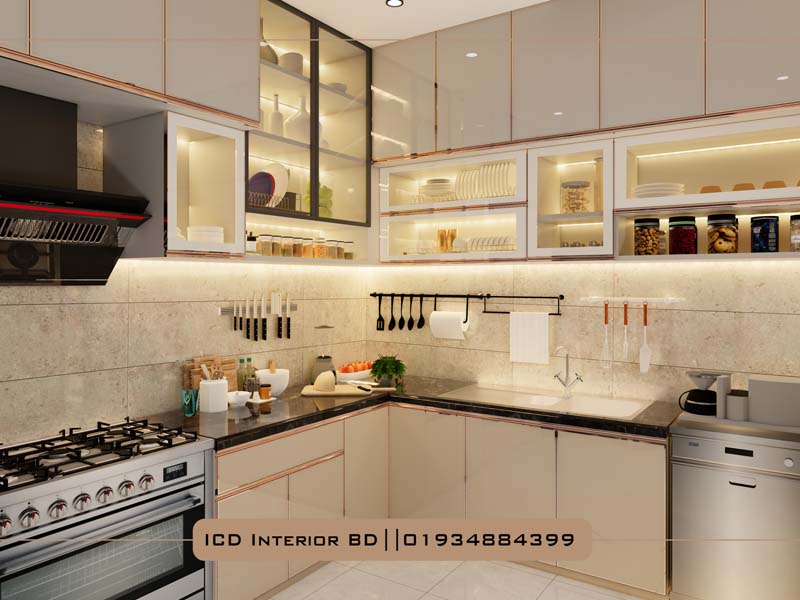
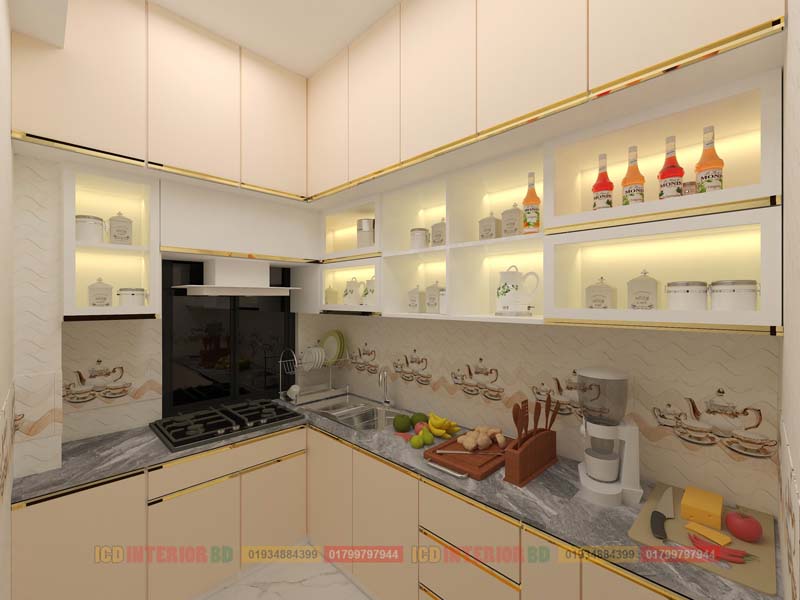
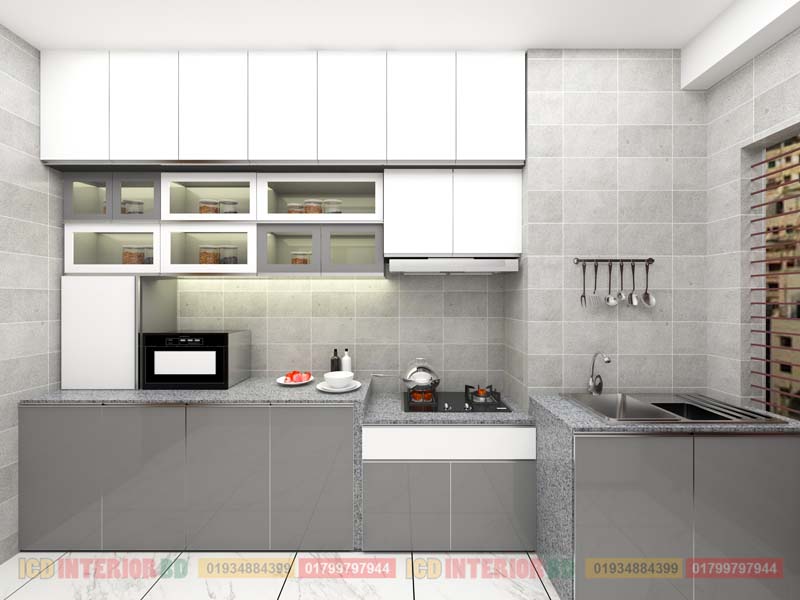
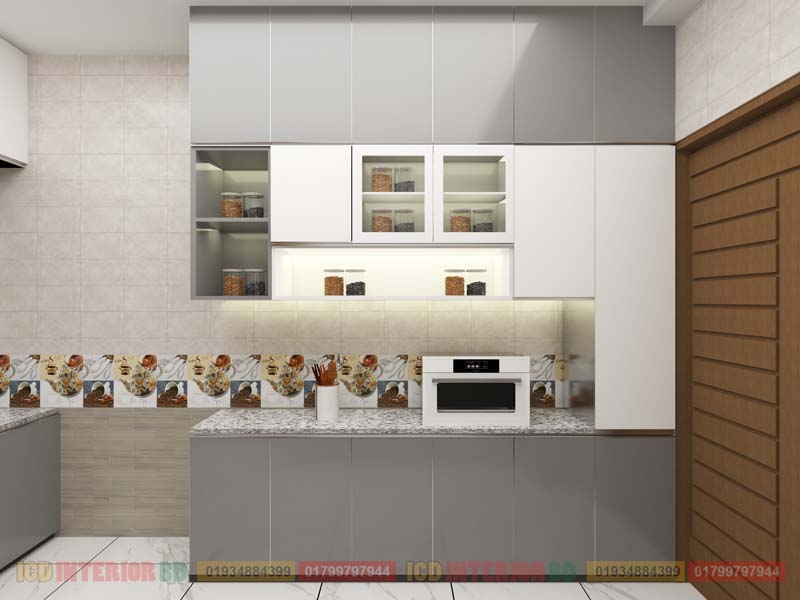
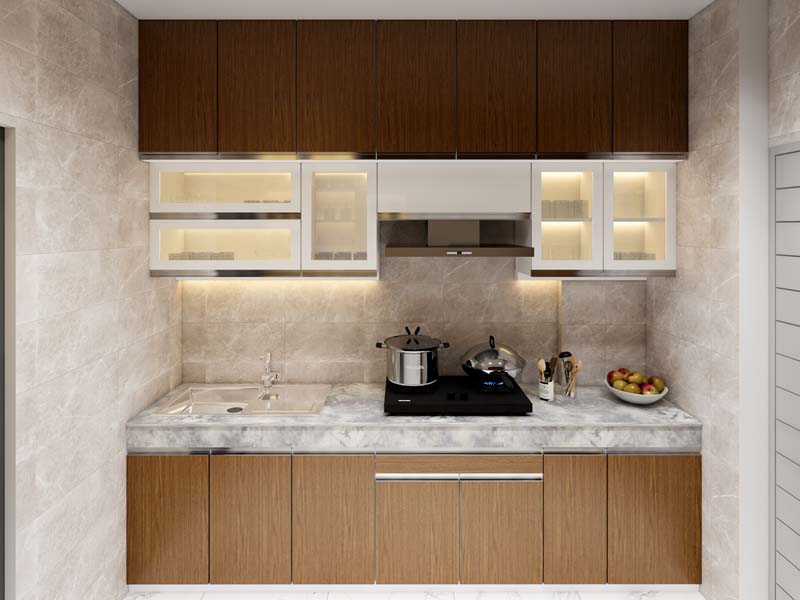
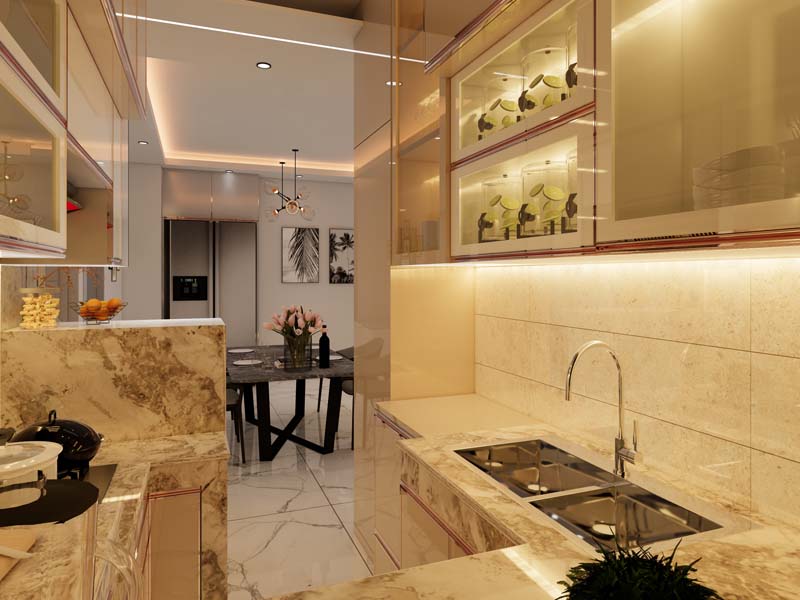
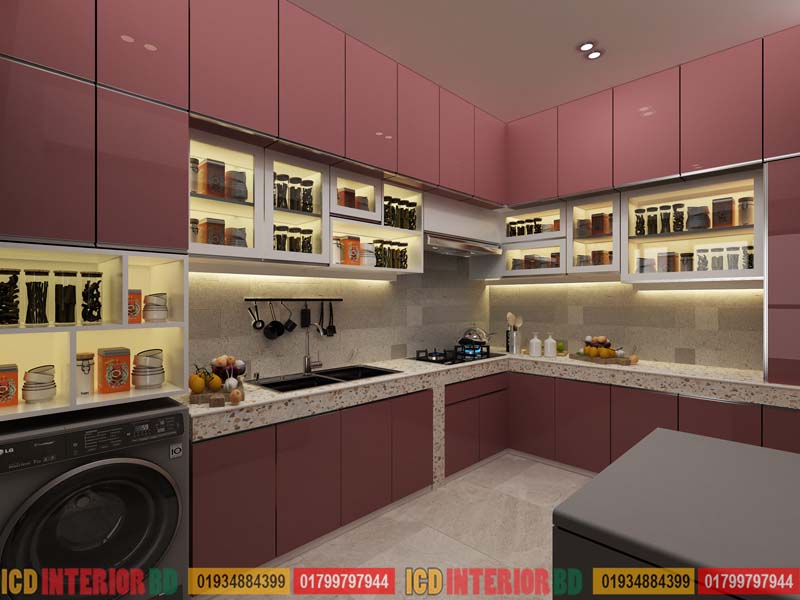
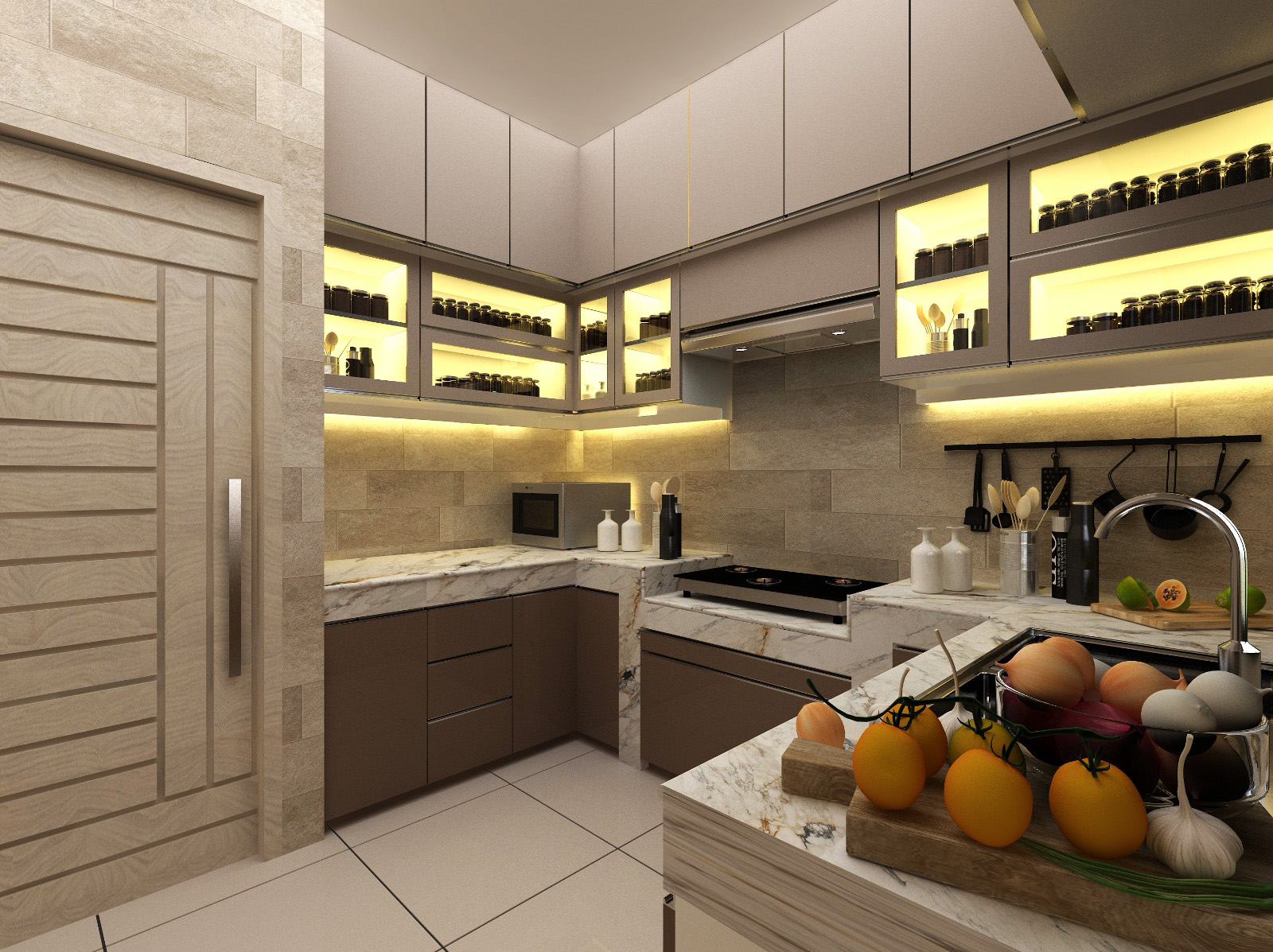
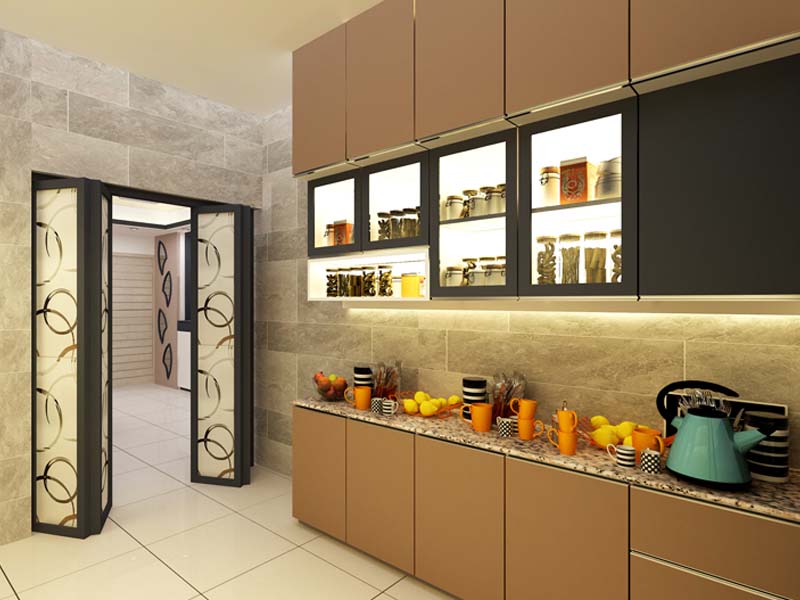
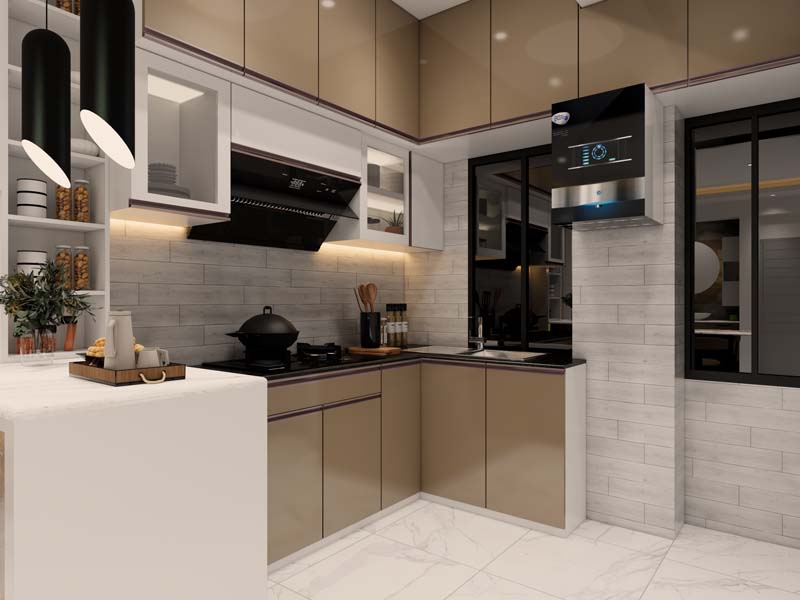
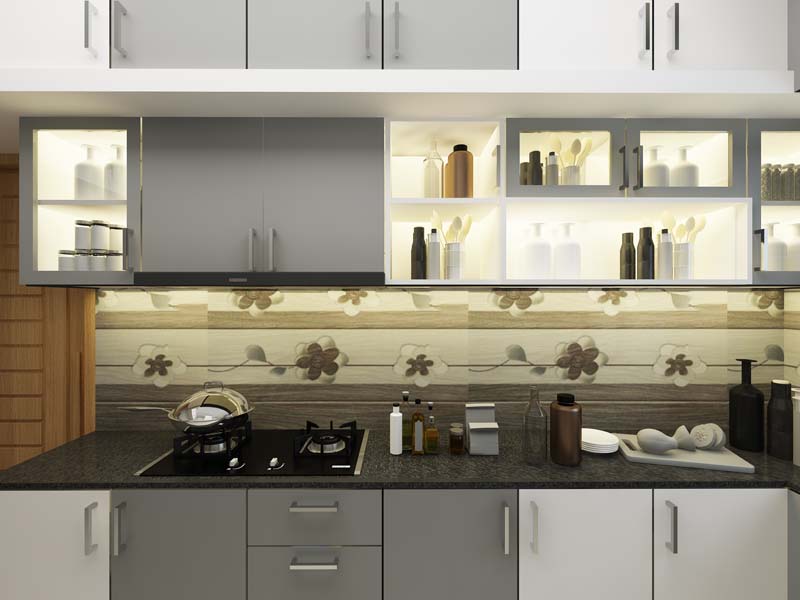
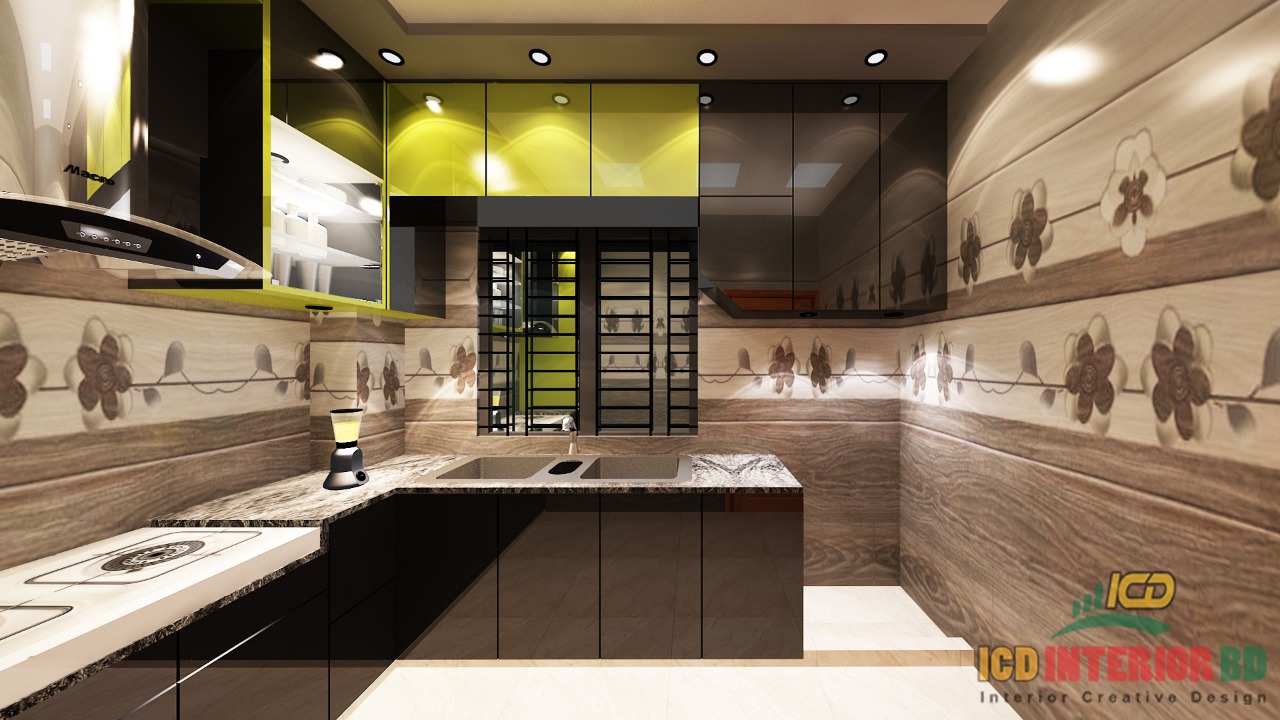
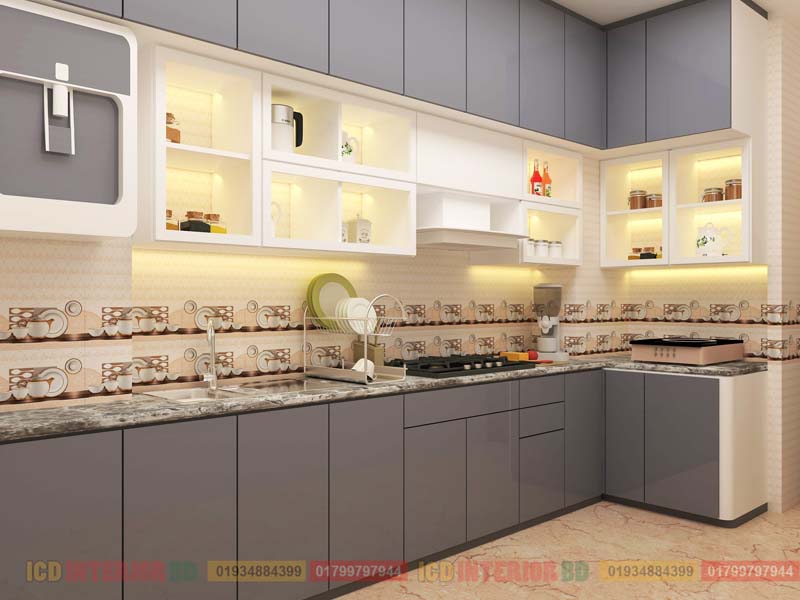
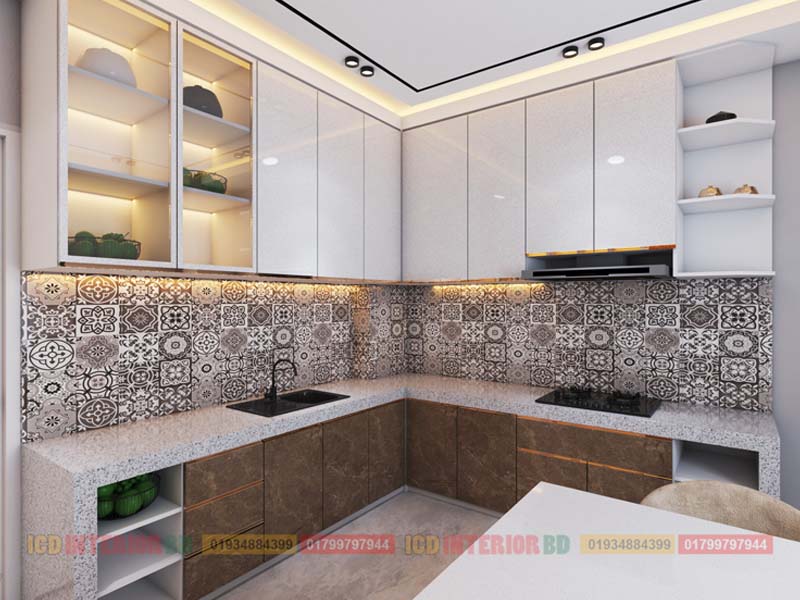
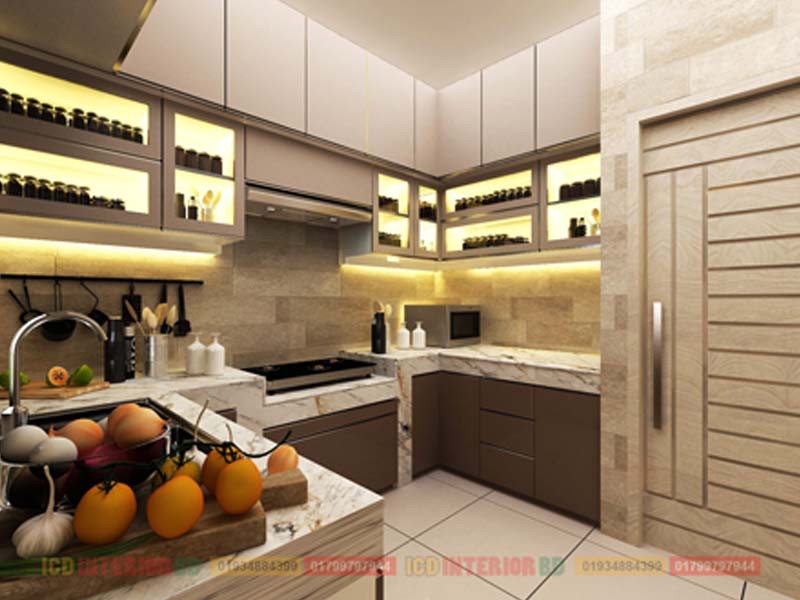
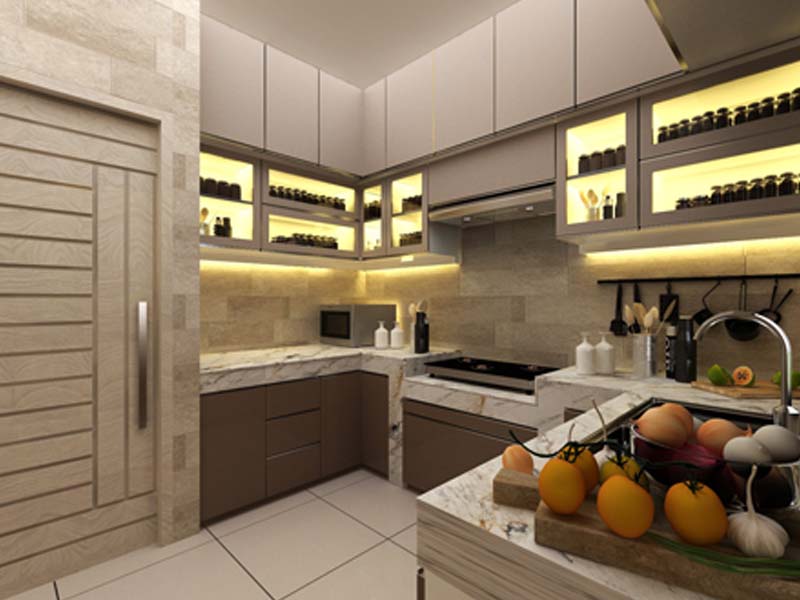
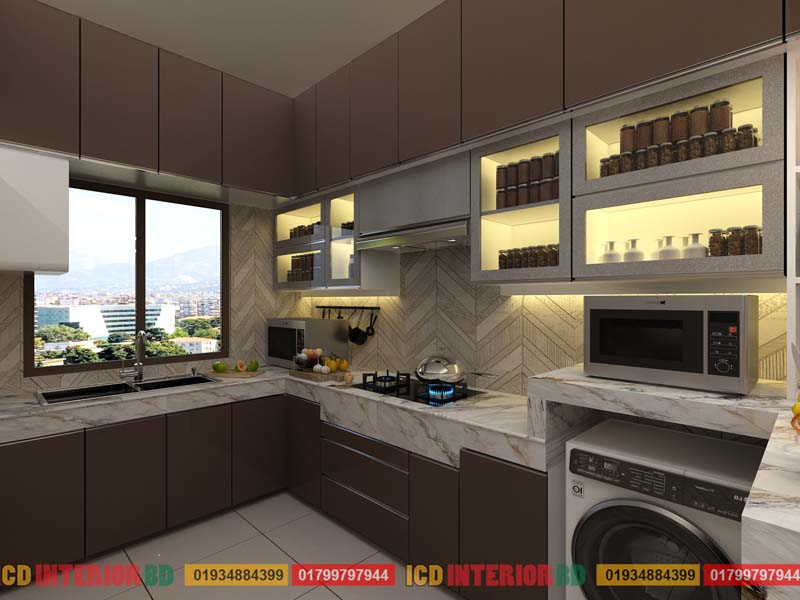
Kitchen cabinet design refers to the planning, styling, and construction of storage units in a kitchen that organize and store utensils, cookware, appliances, and food items. Cabinets are a central component of kitchen interiors, contributing to both functionality and aesthetics. A well-designed kitchen cabinet layout ensures ease of access, efficient use of space, and a clean, organized appearance. There are various types of kitchen cabinets, including base cabinets (mounted on the floor), wall cabinets (mounted on the wall above counters), and tall cabinets (used for pantry or utility storage). These can be customized according to the kitchen’s layout—such as L-shaped, U-shaped, parallel, or island kitchens.
Materials used in cabinet construction range from solid wood and plywood to MDF, particle board, and laminates. Finishes like acrylic, lacquer, veneer, or matte laminates add to the visual appeal and durability. The choice of material impacts the cabinet’s longevity, maintenance, and cost. Design styles vary from modern and minimalist to classic and rustic. Modern designs often feature handle-less cabinets, soft-close mechanisms, and sleek finishes, while traditional styles might include ornate handles, moldings, and wooden textures.
Kitchen cabinet design also includes smart organization features, such as pull-out drawers, corner units, spice racks, cutlery trays, and built-in appliances. These features help maximize storage space and maintain a clutter-free environment. Proper cabinet design takes into account ergonomics, workflow, and the kitchen work triangle—the efficient placement of the sink, stove, and refrigerator. Good lighting, ventilation, and durable hardware are also integral to the design.
In conclusion, kitchen cabinet design is not just about storage it plays a vital role in making the kitchen functional, beautiful, and efficient. Whether in a compact apartment or a spacious home, well-designed cabinets enhance the overall cooking experience and kitchen aesthetics.
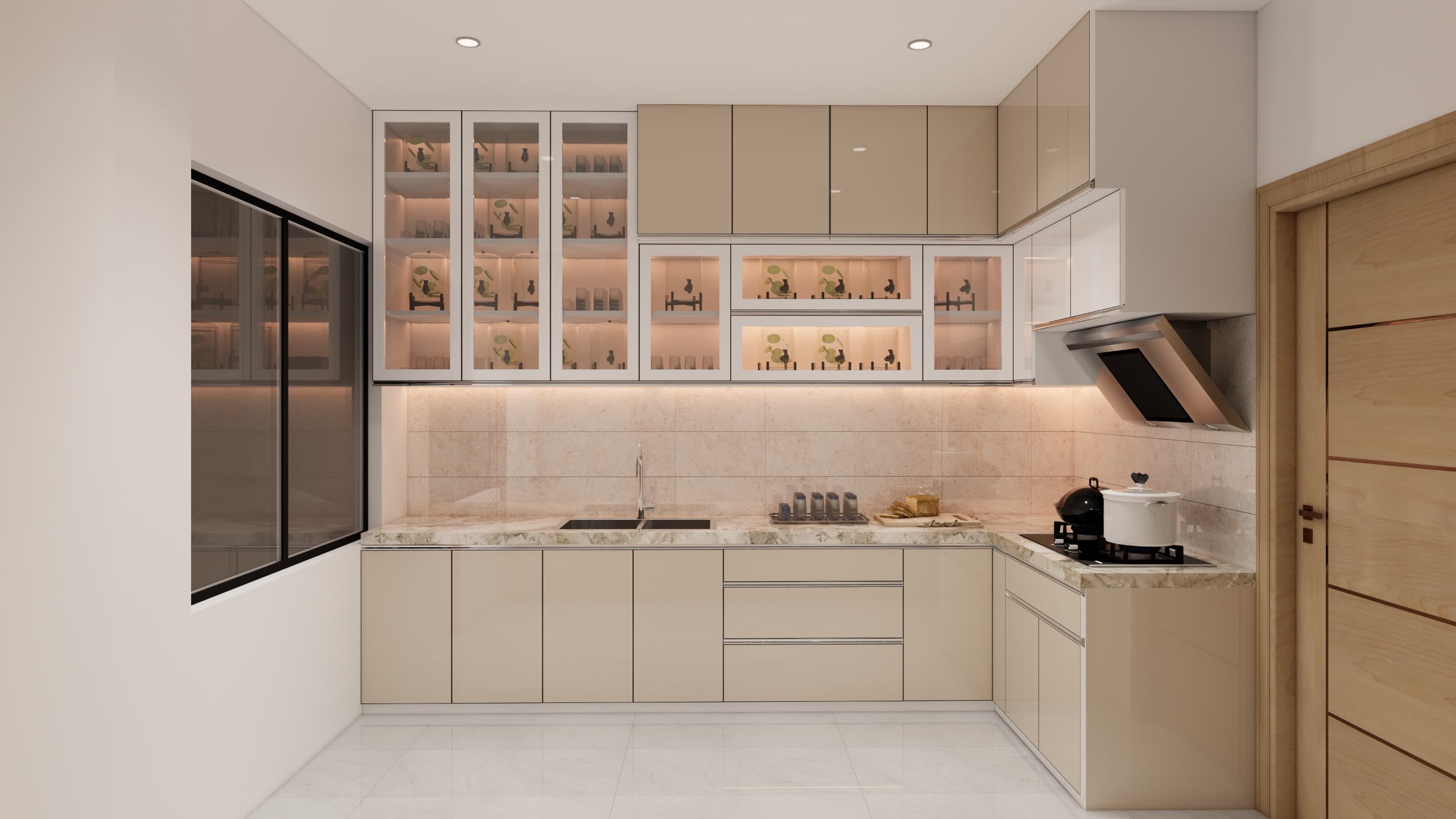
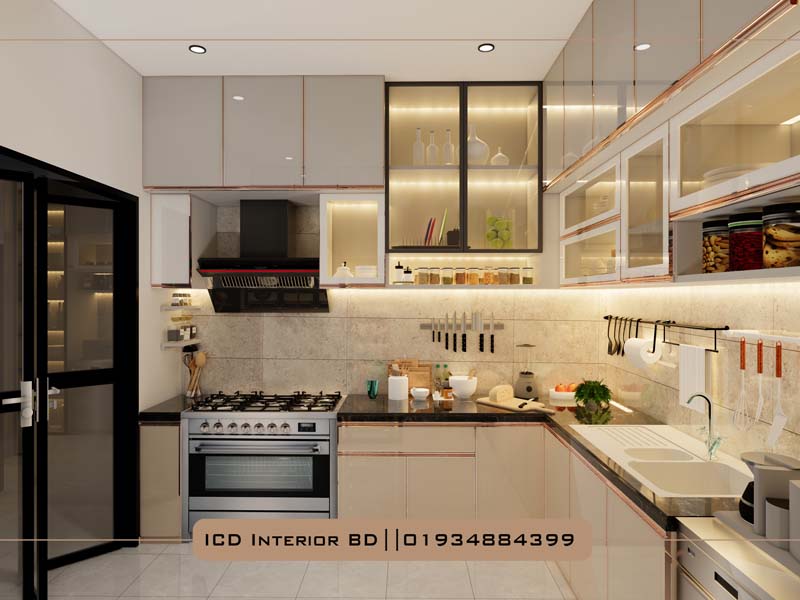
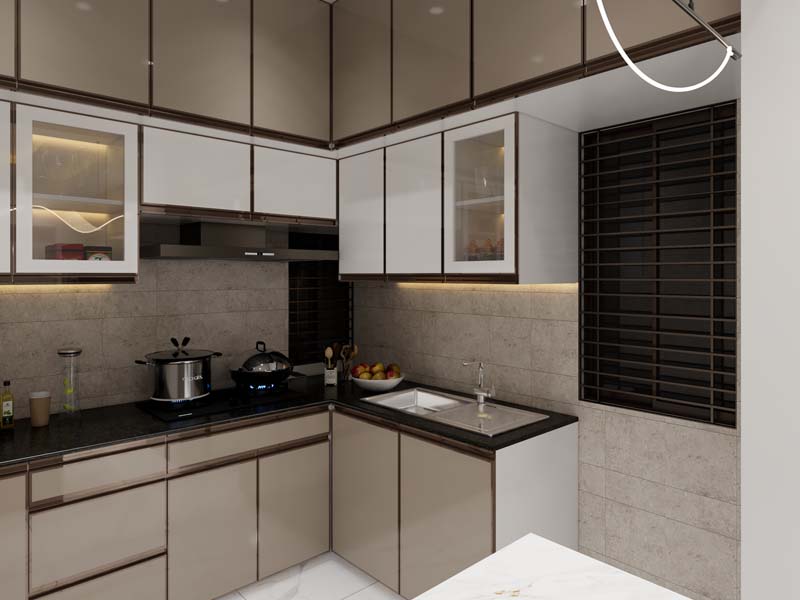
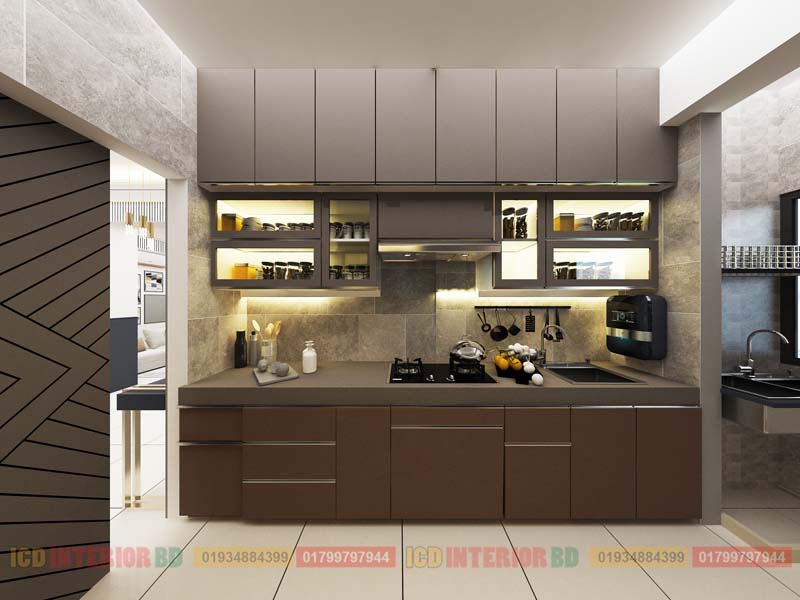
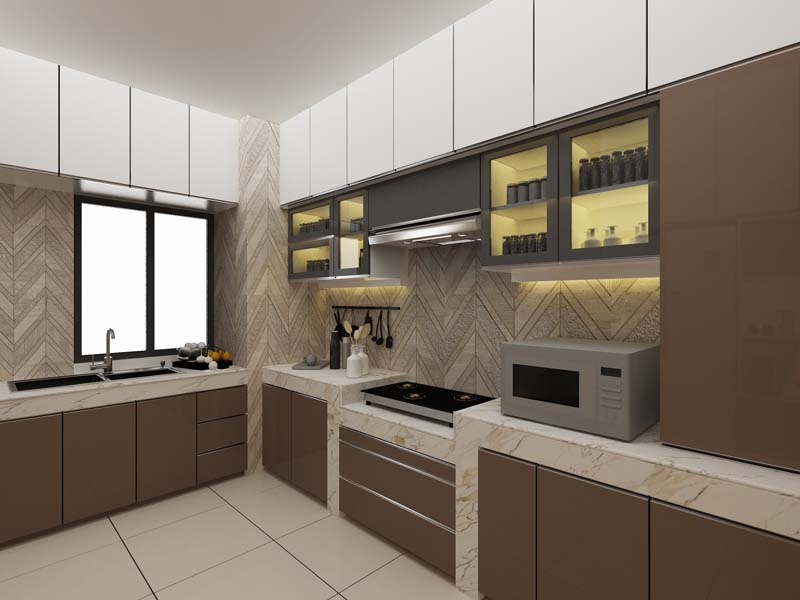
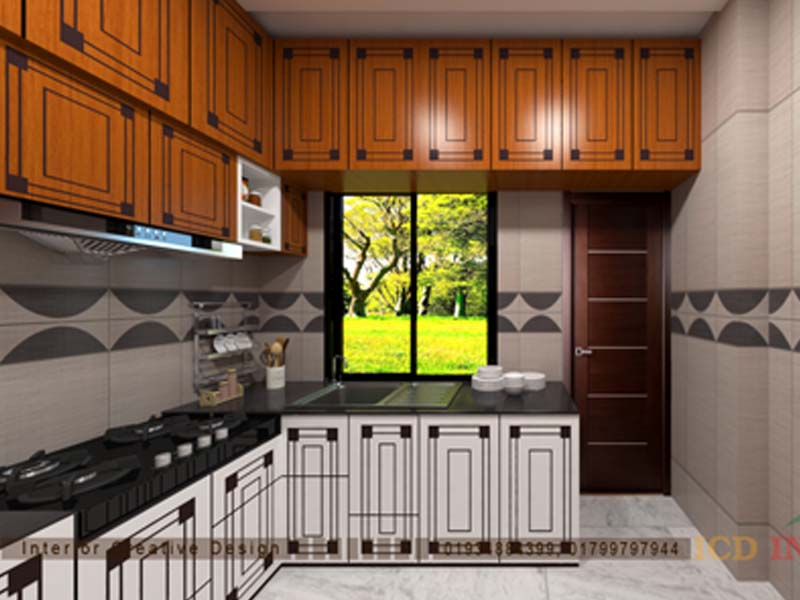
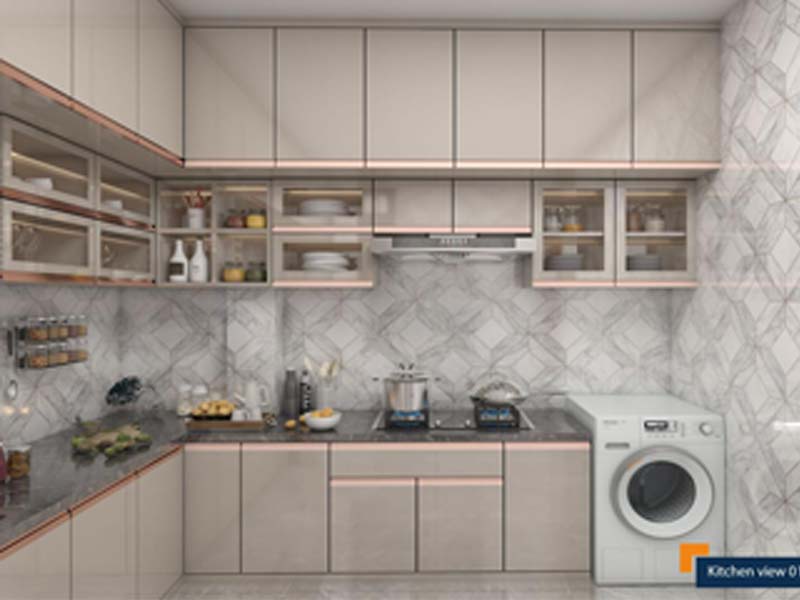
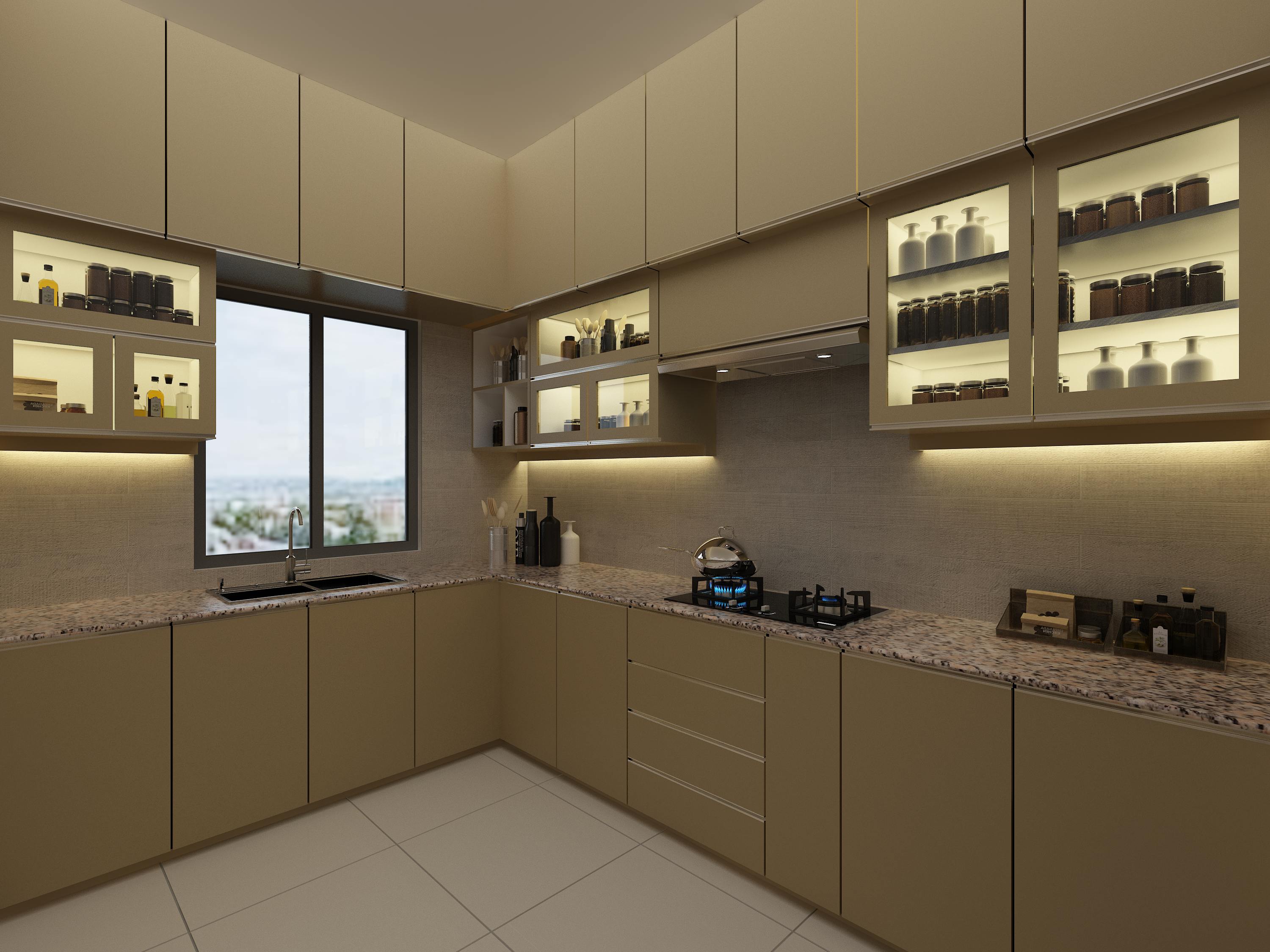
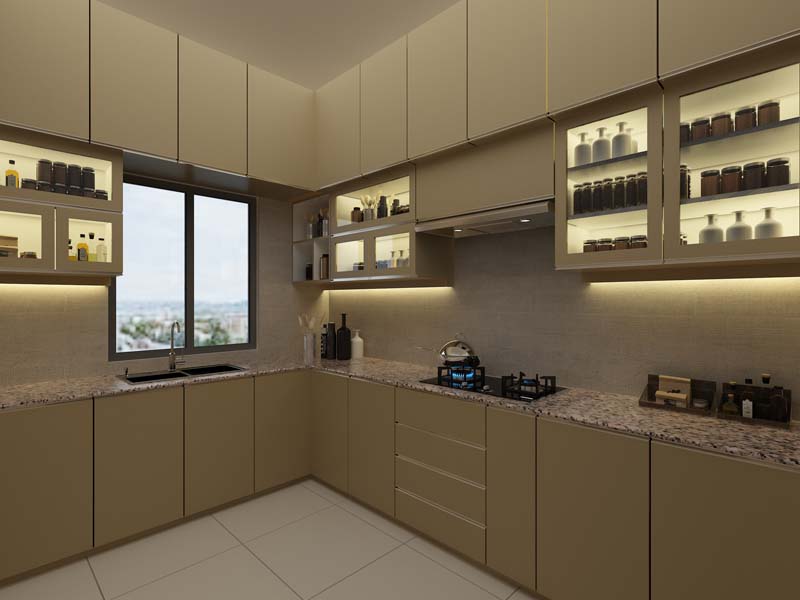
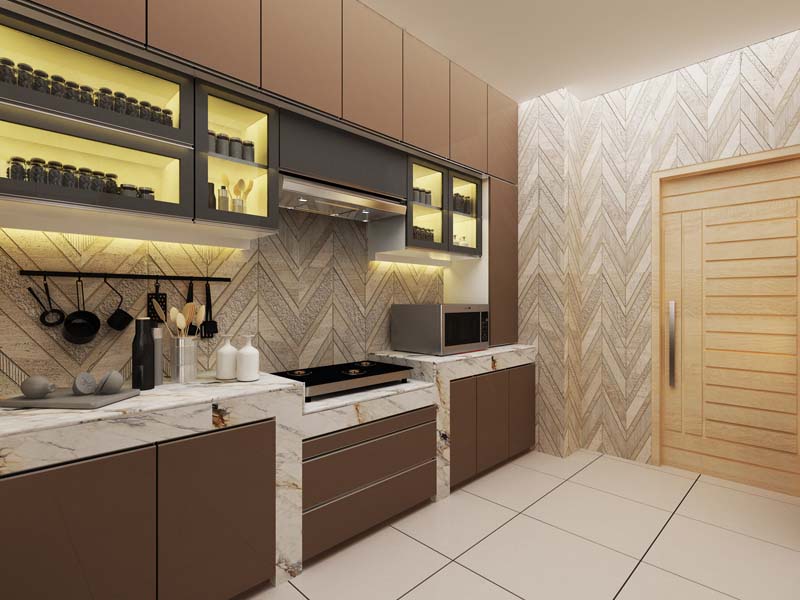
Benefit of the Kitchen Cabinet Design?
A well-planned kitchen cabinet design offers numerous benefits that enhance both the functionality and aesthetics of your kitchen space. Cabinets are not just storage units; they are essential elements that contribute to the efficiency, organization, and overall appearance of the kitchen. One of the main benefits of kitchen cabinet design is optimized storage. With properly designed cabinets, every item in the kitchen—utensils, cookware, appliances, and groceries has its designated place. This reduces clutter and makes it easier to keep the kitchen tidy and organized.
Another advantage is improved workflow and accessibility. A smart cabinet layout ensures that essential items are within easy reach. For example, placing drawers near the stove for spices or pull-out cabinets for pots and pans improves convenience while cooking. The right design also considers ergonomic factors, reducing the need for bending or stretching. Kitchen cabinet design also enhances aesthetic appeal. With various styles, materials, colors, and finishes available, cabinets can be customized to match the interior theme—whether modern, traditional, or minimalist. This adds visual harmony and elevates the overall look of the home.
Space utilization is another key benefit. Even small kitchens can feel spacious with clever cabinet designs like corner units, vertical storage, and under-counter drawers. These solutions make the best use of available space without crowding the kitchen. Durability and easy maintenance are also significant advantages. High-quality materials and finishes make the cabinets resistant to moisture, heat, and wear, ensuring long-term use.
Lastly, a well-designed kitchen with functional cabinets can increase property value. Buyers often consider the kitchen’s appearance and practicality when evaluating a home. In conclusion, kitchen cabinet design provides essential benefits in terms of functionality, aesthetics, space management, and long-term value, making it a key investment in any home.
The Role of a Professional Architect for Kitchen Cabinet Design
A professional architect plays a vital role in kitchen cabinet design by combining functionality, aesthetics, and structural integrity to create a highly efficient and visually appealing kitchen space. Their expertise ensures that the cabinets are not only beautiful but also serve the practical needs of everyday cooking and storage. The architect begins by understanding the kitchen layout, considering the available space, natural lighting, ventilation, and the position of key appliances. They design cabinets that support the kitchen work triangle, the efficient placement of the stove, sink, and refrigerator to streamline movement and workflow.
One of the primary roles of an architect is space planning. They maximize the use of vertical and horizontal space, ensuring that storage units fit seamlessly into the kitchen’s dimensions. From base cabinets and wall-mounted units to tall pantry cabinets and corner solutions, an architect ensures that each element fits with precision. Architects also focus on customization and functionality. They design cabinets based on the client’s needs, lifestyle, and cooking habits. This includes selecting the right type of storage, such as pull-out drawers, built-in spice racks, or under-sink organizers, and placing them in strategic locations.
Material and finish selection is another critical area. Architects guide clients in choosing durable, moisture-resistant materials that match the home’s overall design. They also ensure that the cabinetry complements other interior elements, maintaining aesthetic harmony. Furthermore, the architect ensures proper technical execution, coordinating with interior designers, carpenters, and electricians to integrate lighting, power outlets, and appliances seamlessly. In conclusion, a professional architect adds value by delivering a well-planned, practical, and attractive kitchen cabinet design. Their vision ensures that the kitchen becomes a functional and stylish centerpiece of the home, tailored to the user’s daily needs and long-term satisfaction.
Bijoy Rakin City, Mirpur
Sector-07, Uttara, Dhaka
Rupayan City, Uttara
Road-03, Block-C, Bashundhara
Why Choose Us for Kitchen Cabinet Design and Decoration?
At ICD Interior BD, we offer expert kitchen cabinet design services that combine functionality, aesthetics, and durability, all tailored to your lifestyle and budget. Choosing us means you’re partnering with a team that understands the importance of creating a kitchen that is not only beautiful but also highly practical for daily use. We begin every project by understanding your specific needs, cooking habits, space layout, and design preferences. Whether you want a modern modular setup or a more traditional handcrafted finish, our experienced designers and architects deliver custom solutions that match your vision perfectly.
Our kitchen cabinet designs focus on space optimization, smart storage, and ergonomic functionality. From pull-out drawers and corner units to built-in organizers and appliance integration, we ensure every inch of your kitchen is utilized efficiently. Even in small or awkward spaces, we provide creative solutions that enhance usability and comfort. We use high-quality materials and durable finishes that are resistant to moisture, heat, and daily wear, ensuring that your cabinets look great and last long. With a wide range of styles, colors, and textures, we offer designs that suit any interior theme—from minimalist and sleek to warm and rustic.
Our expert team handles the entire process from design consultation and 3D visualization to manufacturing and installation ensuring timely delivery and flawless execution. We coordinate closely with you at every stage to make sure the outcome meets and exceeds your expectations. With a reputation for excellence and customer satisfaction across Bangladesh, ICD Interior BD is your trusted partner for transforming your kitchen into a functional and stylish space. Choose us for reliable service, affordable pricing, and expert craftsmanship in kitchen cabinet design that truly stands out.
Satisfaction of the Client
Client satisfaction is our top priority, and we are committed to delivering exceptional service that exceeds expectations. From the initial consultation to the final finishing touch, we work closely with each client to understand their needs, preferences, and vision. Our goal is to create a space that reflects their personality and lifestyle while ensuring comfort, functionality, and style. We believe in open communication, transparency, and collaboration throughout the design process. Every detail is handled with care from material selection to color coordination, furniture arrangement, and lighting design. Our experienced team is dedicated to providing professional guidance, creative ideas, and efficient execution at every stage.
What sets us apart is our ability to combine high-quality craftsmanship with cost-effective solutions. We respect our clients’ budgets and timelines while delivering results that bring joy and lasting value. Whether it is a small bedroom update or a full interior makeover, we approach every project with passion and precision. The positive feedback and repeated business we receive from our clients reflect their satisfaction and trust in our work. When our clients are happy, we are successful. Your satisfaction is not just our goal it is our promise. We’re here to turn your dream space into a reality.
Features of Kitchen Cabinet Design and Decorations
Kitchen cabinet design is a fundamental element in shaping the overall function, aesthetic, and efficiency of a kitchen. Cabinets are not merely storage units; they set the tone for the kitchen’s style, influence workflow, and contribute significantly to space optimization. With diverse materials, styles, and innovative features available, kitchen cabinet design has evolved into a sophisticated craft blending art, science, and technology.
In this detailed discussion, we will explore the key features of kitchen cabinet design, highlighting how each aspect contributes to the perfect balance of beauty and practicality in modern kitchens.
- Types of Kitchen Cabinets
Understanding the different types of kitchen cabinets is the first step in appreciating their design features:
Base Cabinets: Installed on the floor, base cabinets support the countertop and house sinks, ovens, or storage drawers.
Wall Cabinets: Mounted above countertops, these cabinets store frequently used items like dishes, glasses, and spices.
Tall Cabinets or Pantry Cabinets: These extend from floor to ceiling, offering ample storage for food, cleaning supplies, or appliances.
Specialty Cabinets: Designed for specific functions, such as corner units, pull-out trays, or appliance garages.
Each type serves a unique purpose, and their integration depends on kitchen layout and homeowner needs.
- Materials and Finishes
Material choice is a critical feature in kitchen cabinet design, affecting durability, maintenance, and visual appeal:
Solid Wood: Offers timeless beauty and durability but can be costly.
Plywood: A popular alternative that provides strength and resistance to warping.
MDF (Medium Density Fiberboard): Smooth surface suitable for painted finishes but less moisture-resistant.
Particle Board: Cost-effective but less durable; often laminated for protection.
Laminate and Acrylic: Used for surface finishing, available in numerous colors and textures; resistant to stains and easy to clean.
Veneers: Thin slices of natural wood applied to cheaper substrates, offering a real wood look at a lower cost.
Finishes range from glossy acrylics to matte paints, wood stains, or textured laminates, each providing a distinct look and feel.
- Cabinet Door Styles
The style of cabinet doors profoundly impacts the kitchen’s visual theme:
Shaker Style: Characterized by simple, clean lines and recessed panels, perfect for modern or traditional kitchens.
Flat-Panel (Slab) Doors: Sleek, minimalist design often used in contemporary kitchens.
Raised Panel: Traditional style with a central panel raised above the frame.
Glass-Front Doors: Add openness and display options; can be clear, frosted, or textured glass.
Louvered Doors: Feature horizontal slats, adding a casual or coastal vibe.
The door style influences how the kitchen feels—warm and inviting, sleek and modern, or rustic and charming.
- Cabinet Layout and Ergonomics
Effective cabinet design considers ergonomics and spatial efficiency. The layout should facilitate easy access, minimize movement, and support the “work triangle” between the sink, stove, and refrigerator.
Proper Height and Depth: Standard base cabinets are about 24 inches deep and 34-36 inches high, balancing countertop usability and storage.
Wall Cabinet Height: Typically installed 18 inches above the countertop for comfortable reach.
Walkways: Should be wide enough (at least 42 inches in single kitchens) to allow movement without obstruction.
Adjustable Shelving: Allows customization based on item size.
Ergonomics prevent strain and improve cooking efficiency.
- Storage Solutions
Modern kitchen cabinets are designed with intelligent storage features to maximize space and keep the kitchen organized:
Pull-Out Drawers and Shelves: Easier access to pots, pans, and pantry items than traditional cabinets.
Lazy Susans: Rotating trays fitted into corner cabinets to utilize awkward spaces.
Dividers and Organizers: For utensils, cutlery, spices, and baking sheets.
Pull-Out Trash Bins: Hidden waste management to maintain a clean look.
Appliance Garages: Conceal small appliances like toasters or mixers to reduce clutter.
Built-In Wine Racks or Spice Racks: Specialized storage that adds convenience and style.
These features enhance functionality and help maintain a tidy, efficient kitchen.
- Hardware and Accessories
Hardware details contribute significantly to both the appearance and usability of kitchen cabinets:
Handles and Knobs: Available in various materials like stainless steel, brass, bronze, or plastic. Their style should complement the cabinet design.
Soft-Close Hinges and Drawers: Prevent slamming, increasing cabinet longevity and user comfort.
Pull-Out Systems: Provide smooth sliding for deep cabinets.
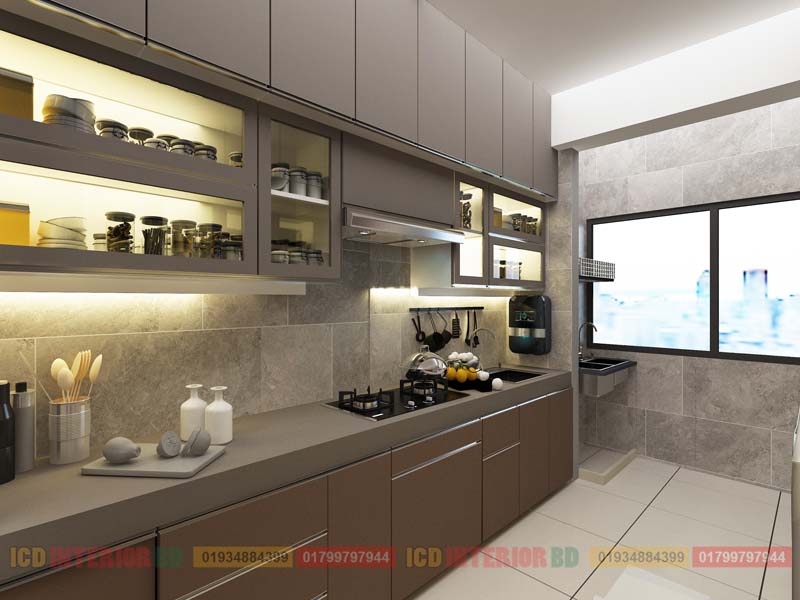
Under-Cabinet Lighting: Integrated lighting improves visibility on countertops and adds ambiance.
Well-chosen hardware enhances both the tactile experience and kitchen aesthetics.
- Customization and Modular Design
Kitchen cabinets can be fully customized or modular:
Custom Cabinets: Made to precise specifications, offering complete flexibility in design, materials, and features.
Semi-Custom Cabinets: Offer a range of sizes and styles with some customization options.
Stock Cabinets: Pre-manufactured in standard sizes, affordable but less flexible.
Custom and semi-custom options allow homeowners to tailor storage, style, and layout to their needs, often incorporating innovative solutions that modular cabinets may lack.
- Integration of Appliances
Modern kitchen cabinet design integrates appliances for a cohesive look:
Built-In Ovens and Microwaves: Positioned within cabinetry for ergonomic use and seamless appearance.
Refrigerator Panels: Matching cabinet panels on fridge doors create a uniform look.
Dishwasher Integration: Concealed behind cabinet doors for continuity.
Cooktop and Ventilation Hood: Designed to fit within or above cabinet units.
This integration enhances kitchen flow and aesthetic consistency.
- Color and Style Trends
The choice of color and style affects kitchen ambiance and resale value:
Neutral Colors: Whites, grays, and beiges remain popular for timeless elegance and versatility.
Bold Colors: Navy blue, forest green, and black cabinets add drama and modern flair.
Two-Tone Cabinets: Combining upper and lower cabinet colors for visual interest.
Matte vs. Glossy: Matte finishes offer subtle sophistication; glossy finishes provide a sleek, reflective look.
The cabinet design sets the tone for the entire kitchen interior.
- Durability and Maintenance
Kitchen cabinets endure daily wear, moisture, and heat exposure. Durable materials and finishes ensure longevity:
Water-Resistant Finishes: Protect against spills and humidity.
Scratch-Resistant Surfaces: Maintain aesthetics over time.
Easy-to-Clean Materials: Smooth surfaces like laminates or acrylics simplify upkeep.
Maintenance-friendly designs keep kitchens looking fresh and new with minimal effort.
- Eco-Friendly Features
Sustainable cabinet design is gaining importance:
Sustainably Sourced Wood: Reduces environmental impact.
Low-VOC Finishes: Improve indoor air quality.
Recyclable Materials: Reduce landfill waste.
Green kitchen cabinet design aligns with modern eco-conscious lifestyles.
- Lighting Integration
Incorporating lighting into kitchen cabinets improves usability and ambiance:
Under-Cabinet Lighting: Illuminates countertops for tasks.
Interior Cabinet Lighting: Lights up glass-front cabinets to showcase dishware.
Toe-Kick Lighting: Adds subtle floor illumination for safety and style.
Lighting enhances functionality and visual appeal simultaneously.
- Technological Integration
Smart kitchens incorporate technology into cabinets:
Built-In Charging Stations: Convenient power outlets inside cabinets.
Smart Storage Systems: Automated drawers or inventory tracking.
Voice-Activated Lighting or Appliances: Integrated with cabinet design for ease of use.
Technology enhances the kitchen’s modern functionality and user experience.
- Safety Features
Designing for safety is crucial, especially in homes with children:
Soft-Close Mechanisms: Prevent finger injuries.
Child Locks: Secure cabinets containing hazardous items.
Rounded Edges: Minimize impact injuries.
Safety-conscious cabinet design protects all users.
- Cost Considerations
Cabinet design influences the overall kitchen budget:
Material Choice: High-end woods and custom finishes cost more than laminates or stock cabinets.
Labor and Installation: Custom designs require skilled craftsmanship.
Features: Added storage solutions or technology increases costs.
A balanced cabinet design considers both budget and quality to provide lasting value.
Conclusion
Kitchen cabinet design is a complex, multifaceted process that combines practicality, style, and innovation. From the choice of materials and cabinet types to smart storage solutions, ergonomic layouts, and technological integration, every feature plays a role in creating a kitchen that is both beautiful and highly functional.
A thoughtfully designed kitchen cabinet system improves workflow, enhances space utilization, and reflects the homeowner’s personal style. Whether through custom craftsmanship or modular simplicity, kitchen cabinets are essential in shaping the heart of the home—a space where family gathers, meals are prepared, and memories are made.
By understanding these features and working with skilled designers and architects, homeowners can achieve a kitchen cabinet design that meets their needs today and adapts to the lifestyle of tomorrow.